
Upgrading public transit ticketing hardware brings several key benefits to agencies, such as faster boarding times, lower operating costs, and improved data collection. Modern Software as a Service (SaaS) platforms enable public transport authorities to replace rigid physical infrastructure with flexible cloud systems. These solutions support route optimization, Account-Based Ticketing (ABT), and real-time fleet tracking without heavy upfront hardware costs. SaaS systems further integrate with newer hardware such as smart validators to seamlessly process contactless cards, phones, and QR codes, keeping buses and trains on schedule while delivering enhanced passenger experiences.
In this article, we’ll discuss how agencies can upgrade existing ticketing hardware by adopting a modular SaaS solution, as well as the benefits of migrating to cloud platforms. We’ll also go over some important steps and considerations when transitioning to ABT and why choosing the right vendor matters.
The Shift From Hardware-Centric To SaaS Platforms In Public Transit
SaaS platforms allow transit agencies to shift fare computation and business rules from physical hardware to a secure, centralized back office. Instead of coding complex fare rules into every ticket machine or validator, these platforms process all transactions in the cloud, reducing both initial deployment and ongoing maintenance costs. Agencies can avoid heavy upfront software licensing and local server investments by only paying a recurring subscription fee tied to the hardware ecosystem. Cloud software handles the heavy lifting of translating varied inputs, such as QR codes, NFC mobile wallets, and contactless bank cards (cEMV), before sending basic validation logic to the terminal. The system then automatically calculates the best-value fare (e.g., daily or weekly fare capping) and applies automatic trip corrections post-journey. Fare rules, concessions, and blocks can be deployed instantly from the central back office across the entire network, eliminating the need for manual updates to individual terminals. Riders choose their preferred payment method, such as contactless cards or mobile wallets, to tap and go without buying tickets in advance.
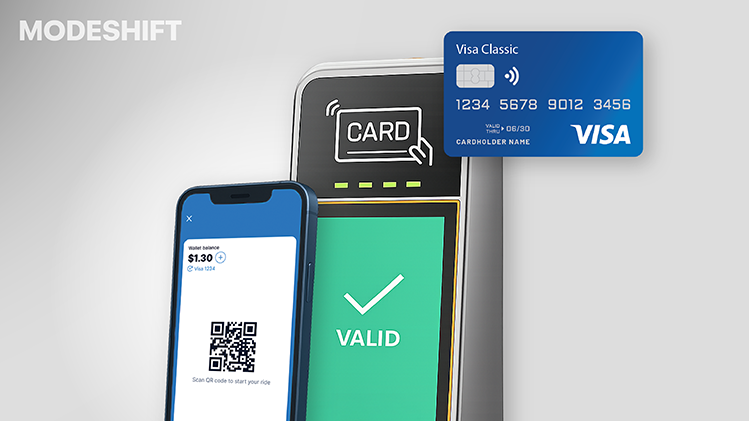
Transport authorities benefit from new physical validation units achieving plug-and-play functionality almost immediately upon powering on and connecting to the tenant cloud environment. Operators can manage entire fleets of physical validators globally from a single cloud dashboard rather than performing manual on-site updates. SaaS pipelines push security patches, user interface changes, and new transaction protocols directly to devices via over-the-air updates. Continuous health tracking detects hardware failures, connectivity loss, or processing lags instantly. Validators cache cryptographic validation keys locally via the SaaS framework, enabling uninterrupted boarding or entry when network connections drop, followed by automatic data syncing upon reconnection. The cloud layer securely handles heavy cryptographic key management, payment tokenization, and PCI-DSS compliance, away from the physical device. Open APIs also ensure seamless linking with third-party payment gateways, municipal databases, or data analytics tools without hardcoding local infrastructure.
How Account-Based Ticketing Systems Transform Validator Functionality
Account-Based Ticketing (ABT) systems transform transit validators from local decision-makers into simple, high-speed identifiers. Instead of calculating fares and storing travel value on physical cards, modern validators act as secure token readers that pass identification data to a cloud back-office. This approach eliminates the need for expensive ticket vending machines, complex on-board fareboxes, and frequent hardware upgrades. Traditional validators process card balances locally alongside fare rules; ABT validators only capture the tap (whether a bank card, mobile QR code, or smart card) and instantly check a local blacklist or ping the cloud for entry. Because the hardware doesn’t need to host complex fare logic, validators easily accept diverse user identifiers such as NFC phones, contactless credit cards (cEMV), and barcodes without software bloat. Offline-first authorization models allow validators to grant immediate entry “by default” to maintain rapid passenger flow during peak commuting hours. Agencies can simultaneously update complex software rules across thousands of individual gate or bus validators while these updates happen universally in the central cloud.
Public transport agencies can utilize data from Automated Fare Collection (AFC) systems to transform anonymous tap records into actionable insights for service planning. Analyzing high-resolution smart card taps from validators enables authorities to see exact passenger volumes per stop and time. They can replace large, fuel-heavy diesel buses with smaller buses or vans on low-demand routes or late-night runs. Validator logs further assist in pinpointing where ridership drops to zero. Removing or shortening empty terminal loops prevents vehicles from burning fuel on unnecessary road miles. Knowing exact passenger loads helps authorities allocate resources more efficiently by avoiding dispatching a 40-foot bus when a 30-foot or hybrid vehicle is sufficient. Matching the right engine size to the actual load directly lowers overall fleet fuel consumption. Validation data from multiple transport modes such as buses, subways, and partner municipal networks can also be consolidated into a single reporting dashboard for a more unified view and improved decision-making.
Modern Fareboxes Ensure Agencies Can Still Offer Cash Options To Riders
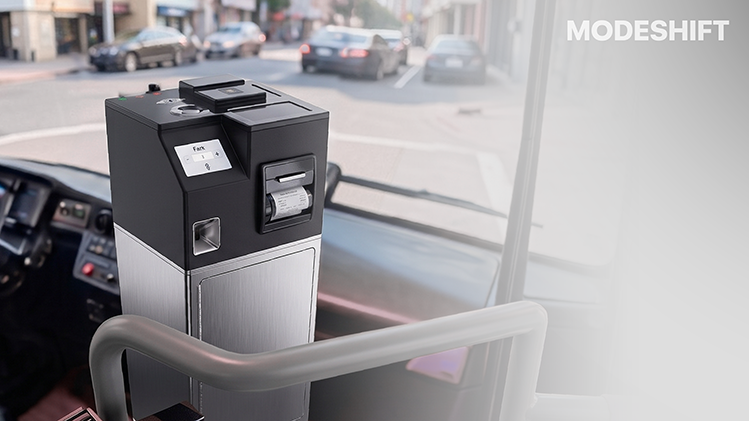
Fareboxes and Automated Fare Collection (AFC) systems are essential in maintaining equity and accessibility for unbanked and cash-dependent riders. By featuring fast coin validation, secure vaulting, and cash-to-digital digitization, agencies can support cash options while reducing boarding delays. Agencies often partner with local stores (e.g., pharmacies, grocery stores) where riders can hand over physical cash to instantly load value onto a reusable transit card or mobile app. Ticket Vending Machines (TVMs) are installed primarily at major transit hubs, enabling riders to purchase smart cards or add credit using exact change or bills before boarding. Some agencies equip buses with low-cost validation boxes that, alongside driver assistance or handheld consoles, allow operators to process and convert a rider’s on-board cash payment directly into a digital fare on the spot.
Account-Based Ticketing systems tie fare payment to a digital account rather than a physical ticket. This ensures that cash users who load funds onto smart cards can still take advantage of fare capping, automatically limiting a rider’s daily/weekly spending so they never pay more than the cost of a pass. Modern fareboxes combine a cash register with a tablet, which passengers and drivers can easily operate. The user-friendly software seamlessly integrates with most transit fareboxes to ensure riders still have cash options. Data from farebox sales and ridership can further be incorporated into standard reporting dashboards, transforming raw transactions into actionable, data-driven insights. Solutions such as the Diamond farebox feature a thermal printer for QR tickets or receipts, UX with different fare types, account reloading options, and customization to fit the agency’s individual needs.
Why Agencies Are Partnering With Modeshift To Upgrade Outdated Transit Hardware
Modeshift offers transit agencies a range of onboard hardware, including all-in-one smart validators and next-generation validating fareboxes. These devices support all payment types, including cash, smartcards, mobile QR codes, and paper tickets/transfers, while enabling Account-Based Ticketing, spatial intelligence, and real-time data synchronization.
Specific hardware and validation solutions agencies utilize include:
- Smart Validators: Compact, onboard devices that handle tap-to-pay, NFC, and QR code scanning for contactless, open- and closed-loop payments. They facilitate quick boarding and are used across vehicles to enforce tap-in/tap-out workflows.
- Validating Fareboxes: Developed in partnership with ITSMAX Solutions, Modeshift offers heavy-duty validating fareboxes featuring secure cash handling alongside electronic validation. These units come with an ergonomic touch-screen and a modular design for tool-free, on-site maintenance.
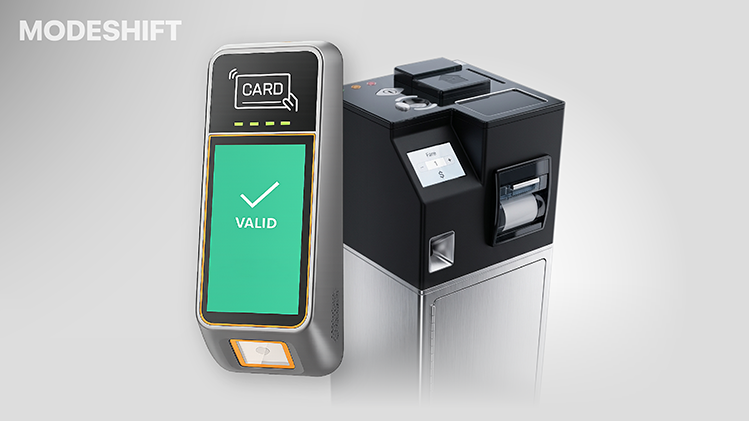
Both forms of hardware are designed to integrate natively into the Modeshift cloud-native, 360-degree fare collection platform, which manages fare capping, validation, and real-time backend analytics. Modeshift’s fare collection platform is hardware-agnostic, meaning it can work with most validators currently in use.
Seamless Legacy Integration: Instead of discarding existing infrastructure, agencies can build upon their current hardware while integrating modern components, such as next-generation validating fareboxes and mobile ticketing.
Speedy Deployment: Modeshift’s platform can be deployed up to five times faster than legacy systems, reducing agency downtime and service disruption.
All-In-One Unified Management: Agencies can combine cash handling, mobile tickets, and physical smart cards into a single account-based ticketing framework.
Multi-Modal and Multi-Service Support: The hardware upgrades seamlessly unify fare collection across both fixed-route and paratransit services.
Reduced Maintenance Costs: New hardware, such as the validators developed in partnership with ITSMAX Solutions, utilizes a modular design with fewer moving parts and tool-free maintenance.
Future-Proofing: Modeshift’s ecosystem supports dynamic features such as automated fare capping and real-time passenger data, keeping smaller and mid-sized agencies competitive with modern technological standards.
In Conclusion
To build future-proof fare collection systems, transit agencies must procure scalable, modular hardware that supports Account-Based Ticketing (ABT) and Open Payments. This approach moves fare processing from onboard devices to a centralized back-office, enabling seamless integration of physical smartcards, cEMV bank cards, and digital wallets. When it comes to cEMV and Mobile Wallets, devices must meet strict EMV Level 1 and Level 2 certifications and support tokenization for Apple Pay and Google Pay. This involves ensuring the hardware performs End-to-End processing and complies with PCI-DSS standards for secure bank-grade transactions. For QR Codes and Barcodes, agencies need to incorporate integrated, omnidirectional 1D/2D optical readers capable of rapidly scanning both printed paper and high-brightness mobile smartphone screens. For Smartcards (Closed and Open Loop), devices need to be equipped with multi-frequency Radio Frequency (RF) modules that communicate with legacy physical media.
Procuring hardware from supplier-agnostic vendors using open APIs further prevents vendor lock-in and lowers total ownership costs. APIs connect mobile apps, web portals, and front-end validators, ensuring a passenger’s account balance, travel history, and fare rules are universally synchronized in real time. Instead of being locked into closed, vertically integrated systems, transport agencies can utilize Fare Payments-as-a-Service platforms to deploy new modules and roll out features such as Account-Based Ticketing (ABT) and Mobile Ticketing without expensive hardware overhauls. FPaaS transforms standard physical tokens such as contactless bank cards or smartphones into secure, dynamic identifiers, while the back-office cloud calculates fares in real-time. This simplifies the introduction of fare structures such as daily or weekly fare caps. Open APIs in FPaaS models further enable smooth connections with Mobility-as-a-Service apps for multimodal travel. By consolidating separate modes and operators into a unified ecosystem, agencies can easily mix-and-match all available transportation services, whether that’s a taxi ride, a scooter, or a city-operated bus.


