
Fare Payments-as-a-Service (FPaaS) is a specialized application of Software-as-a-Service (SaaS) designed for public transport ticketing and payments. Unlike generic SaaS, which can be tailored to any industry, FPaaS provides a shared, multi-tenant platform tailored for transit agencies to deliver “tap and ride” solutions, reducing costs and accelerating deployment. As a result, Fare Payments-as-a-Service (FPaaS) has become instrumental in helping public transit evolve by replacing expensive, bespoke, and hard-to-update systems with shared, cloud-native platforms. This allows agencies to quickly introduce modern features such as mobile ticketing, Account-Based Ticketing (ABT), and contactless bank card payments. This shift reduces capital expenditure, enables integration with Mobility-as-a-Service (MaaS) apps, and facilitates automatic, ongoing updates to passenger experiences and ticketing technology.
In this article, we’ll explore the benefits of Fare Payments-as-a-Service (FPaaS), the technology behind it, common adoption challenges, and why agencies of all sizes should be investing in this solution as part of their modernization strategy.
The Problem With Legacy Systems In Public Transit
For many transit agencies, legacy systems and traditional payment methods create a “vicious cycle” of high costs and operational stagnation. Automatic fare collection (AFC) systems, which are custom-built, usually take 3+ years to procure and build, often turning obsolete the moment they launch. This traps agencies in proprietary, bespoke systems that are commercially impractical to update, leading to a “decay phase” 5–10 years after purchase. It’s reported that most transport companies spend over 55% of their tech budget just to keep existing systems running, leaving very little for innovation. Software-as-a-Service (SaaS) solutions have been incremental in providing a “configure, don’t build” alternative that addresses these core friction points by simplifying access to advanced technology while keeping costs down.
Since FPaaS is cloud-native and updated continuously, the system never requires a “rip-and-replace” upgrade. It automatically adapts to new technology, allowing agencies to choose when to update rather than being forced to by expiring tech. Unlike traditional systems, where a software update might be a major, expensive, once-a-year event, leading FPaaS platforms are updated an average of three times per day. These improvements are immediately available to all agencies using the platform, allowing smaller, local agencies to access the same state-of-the-art technology as large international cities. Legacy software also lacks real-time visibility and automation, forcing staff to rely on manual workarounds, such as spreadsheet-based reconciliations. The use of physical tickets and cash further creates “revenue leakage” through errors or fraud.
How Fare Payments-as-a-Service (FPaaS) Ends The “Death Spiral” Of Ticketing Tech
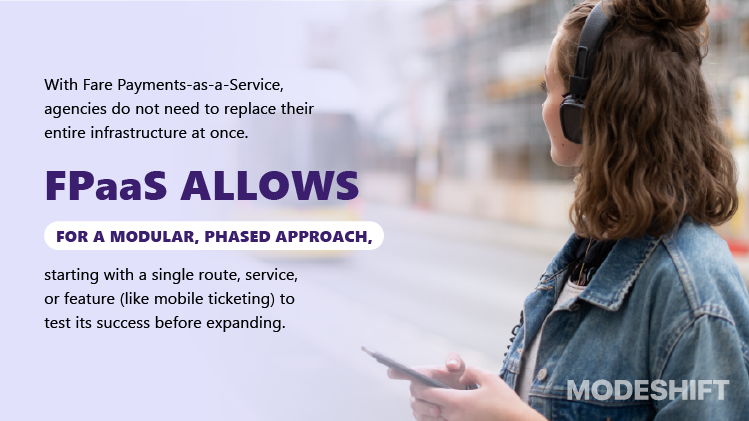
With Fare Payments-as-a-Service, agencies do not need to replace their entire infrastructure at once. FPaaS allows for a modular, phased approach, starting with a single route, service, or feature (like mobile ticketing) to test its success before expanding. For instance, Fire Island Ferries in New York deployed its app-based ticketing system in just 23 days. A common fear is that new payment tech excludes unbanked riders. However, FPaaS supports cash digitization, allowing riders to go to local retail stores, deposit cash, and have it appear as a digital ticket or balance in their app. This enhances equity and ensures all riders, banked or not, can use the same seamless tapping system. Because FPaaS providers are typically paid as a percentage of ticket sales, their success is dependent on the agency’s performance in collecting fares and increasing ridership. If the technology doesn’t make boarding easy or efficient, the provider loses money, providing a strong incentive for constant innovation and support.
Since legacy components run on outdated operating systems (e.g., Windows XP), they no longer receive security patches, making them easy targets for known exploits and ransomware. These systems operate on flat networks, meaning that if one ticketing terminal is compromised, attackers can potentially access the entire network, including backend servers and transit control systems. Most legacy applications use hard-coded credentials or simple passwords instead of multi-factor authentication (MFA) and fail to meet compliance regulations such as GDPR and PCI DSS. FPaaS solutions enable modern security features such as built-in firewalls, multi-factor access control, and encrypted data storage (in transit and at rest) that are often superior to what individual agencies can build themselves. This involves using advanced data analytics tools to identify patterns in fraudulent transactions, such as “retokenisation fraud”, helping identify users who create multiple virtual cards to ride without paying.
Why Transit Agencies Are Adopting Fare Payments-as-a-Service (FPaaS) Platforms
Agencies and operators are adopting modern fare payment platforms, specifically Fare Payments-as-a-Service (FPaaS) and Account-Based Ticketing to reduce cash-handling costs, speed up boarding times, and meet passenger demands for seamless, digital experiences. These platforms offer data-driven insights for service optimization, automated fare capping to enhance rider value, and modern features for greater flexibility. Passengers simply use smartphones, wearables, or contactless bank cards to “tap and ride” without needing to purchase tickets or understand complex fare structures. By utilizing a shared platform (such as a subscription service), transit agencies can launch new systems in weeks rather than years, reducing the total cost of ownership (TCO) by up to 73%.
Since FPaaS handles ticket logic in the cloud rather than on a device, agencies can easily automate processes such as fare capping, which guarantees passengers always get the lowest price for their journeys. Open APIs allow transit systems to integrate with broader urban mobility platforms (such as bike-sharing or ride-hailing apps), connecting different transport modes within a single, unified ecosystem. Because FPaaS is a shared platform, new features such as Account-Based Ticketing (ABT), fare capping, or new mobile payment integrations are rolled out to all customers simultaneously, similar to an app update on a smartphone. Modern platforms are built specifically for the cloud, using state-of-the-art security standards, including automated threat detection and compliance with modern data protection regulations. With Account-Based Ticketing (ABT), FPaaS shifts security from the physical card to a cloud-based account, reducing fraud and allowing for immediate revocation of compromised tickets.
Leveraging The Benefits Of Multi-Tenant Platforms In (FPaaS)
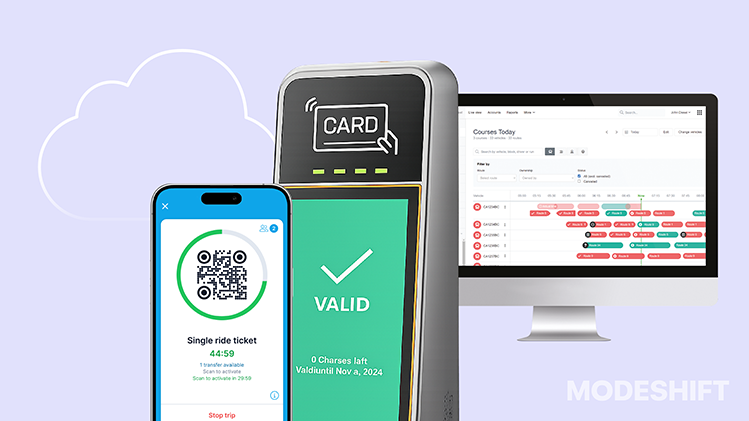
Multi-tenant platforms such as Fare Payments-as-a-Service (FPaaS) are set to play a vital role in consolidating multiple transport agencies by serving as a centralized, cloud-based intermediary that unifies ticketing, payments, and data across operators. This moves the “ticket” from physical media to a secure cloud account. Passengers tap a bank card, mobile device (Apple/Google Pay), or smartcard, and the system calculates the best fare post-journey, regardless of which agency or mode they used. A single platform hosts multiple agencies, allowing them to share infrastructure, maintenance, and updates while maintaining their own unique fare policies, branding, and configurations. In a shared SaaS platform, agencies can build partnerships with mobility providers that best suit their needs while remaining flexible. Subscription-based models make it easier to switch vendors over time, avoiding the traditional lock-ins associated with proprietary system environments.
The account-based, API-driven architecture of SaaS platforms serves as an elastic, scalable bridge that connects outdated legacy components to contemporary digital needs. This is particularly important for maintaining complex, multi-channel ecosystems where mobility partners share infrastructure, such as payment gateways and validation software, while keeping their individual operational data, fare rules, and passenger information secure. APIs aggregate data from disparate legacy systems into a standardized format, feeding data into apps to show integrated schedules, live updates, and fare information from multiple agencies. By providing a standardized interface that enables transit hardware (validators) and passenger apps to connect to the central back office, regional transport authorities can create a consistent and unified experience across all channels. A real-world example of this is the NEORide project in the US, where 17 transit systems use a single shared platform to offer a unified, inter-agency mobile ticketing system called EZfare.
Key Ways Modeshift Is Leading The Transition To Fare Payments-as-a-Service (FPaaS)
Modeshift is currently one of the leading providers for transit agencies in the transition to Fare Payments-as-a-Service (FPaaS). We offer an all-in-one, cloud-based platform (built on Microsoft Azure) that delivers Account-Based Ticketing, mobile apps, and validation hardware under a lower-cost SaaS model. This simplifies operations by integrating ticketing and passenger information with a CAD/AVL solution, while supporting modern features such as fare capping and sustainability initiatives. Our subscription-based SaaS model enables rapid, low-cost deployment—up to 5x faster than traditional systems, without heavy upfront capital investment.
Comprehensive all-in-one solution: Modeshift’s platform offers a complete 360-degree fare collection stack that integrates Account-Based Ticketing, Mobile Ticketing, farebox validation, TVMs, and Real-time Passenger Information (RTPI), thereby reducing reliance on multiple vendors.
“Subscribe, Go, and Grow” Model: Modeshift’s solutions allow agencies to subscribe to the services they need, eliminating the need to manage complex hardware/software procurement.
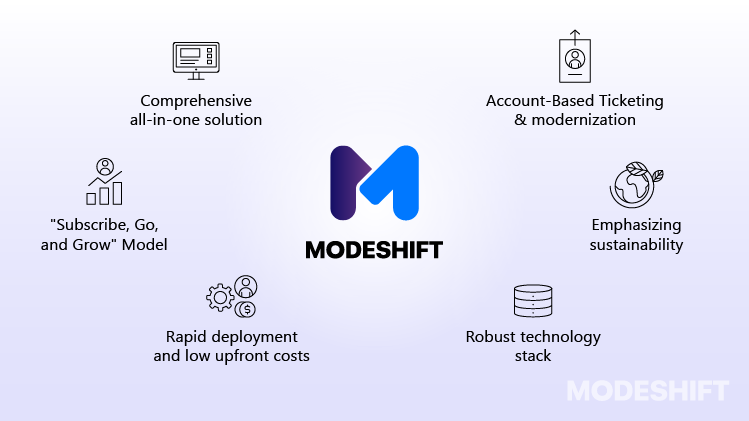
Rapid deployment and low upfront costs: As a true Software-as-a-Service (SaaS) provider, Modeshift offers rapid implementation. This enables agencies to move away from expensive, customized “design-build” projects to a lower total cost of ownership.
Account-Based Ticketing & modernization: Our core product focuses on modern account-based systems that support fare capping, paid transfers, and top-up cards, enhancing the passenger experience.
Emphasizing sustainability: Modeshift helps transit agencies optimize services and reduce carbon emissions, aligning with modern green initiatives for public transit.
Robust technology stack: Built on Microsoft Azure, Modeshift’s platform provides security, reliability, and the agility to adapt to new mobility models. This allows smaller and mid-sized agencies to modernize quickly, improve efficiency, and increase ridership through technology-forward solutions.
In Conclusion: FPaaS As A Natural Next Step In The Evolution Of Transit Payments
Fare Payments-as-a-Service (FPaaS) represents a shift in how transit agencies manage new and emerging transit technology, helping initiate the transition away from expensive, customized “design-build” ticketing systems towards shared, cloud-based platforms. Delivering simple yet effective fare technology in public transit is more critical than ever as it directly shapes the passenger experience, improves operational efficiency, and drives increased ridership. By deploying a centralized cloud-based platform, transport operators can essentially manage ticketing, revenue, and data from a single, unified interface, improving responsiveness and streamlining operations. Enabling “tap-and-ride” experiences through contactless bank cards, mobile devices, and fare capping effectively removes the complexity of managing, operating, and maintaining ticketing infrastructure, providing a “turnkey” solution for agencies that can be deployed quickly and seamlessly.
For riders, this eliminates the need to queue at ticket machines, pre-purchase tickets, or understand complex fare structures, allowing them to use their own devices or cards for travel. Modernizing fare collection with Account-Based Ticketing (ABT) and contactless payments further shifts fare logic from on-card hardware to the cloud, allowing agencies to calculate fares in real-time in the back office. This transition enables benefits like automatic best-fare capping, reduced hardware costs, and enhanced data analytics. Transit operators gain access to real-time, centralized data, allowing them to optimize routes, analyze ridership, and enhance service delivery. FPaaS is also vital in supporting Mobility-as-a-Service (MaaS) platforms by acting as a foundational component for integrating transit into broader, seamless mobility apps that combine buses, trains, and bike-sharing services, aligning with future Smart City developments.


