While the “best-of-breed” multi-vendor approach is frequently favored for public transit innovation, partnering with a single vendor, particularly one employing modern Software-as-a-Service (SaaS) and modular architectures, can deliver the flexibility and agility needed for modernization. Traditionally, single-vendor solutions were known for vendor lock-in and inflexibility; however, the rise of cloud-native architectures, APIs, and open platform ecosystems has dramatically shifted this dynamic. Today, single-vendor solutions have moved beyond rigid, legacy, “walled garden” systems to offer integrated platforms that surpass the agility of multi-vendor approaches. As a result, transit agencies benefit from streamlined data management, lower administrative burdens, consistent, reliable, and integrated technology, as well as faster and more effective communication.
In this article, we’ll examine some of the key benefits of working with a single vendor and discuss how transit agencies can select the best technology to meet their specific needs.
1. Seamless Interoperability And Faster Innovation
Using a single vendor for public transit, often referred to as a “whole network” or “single-platform” approach, allows transit authorities to consolidate their technology stack, operations, and communications. When an agency works with multiple vendors, “integration” often becomes a long-term, expensive project that dramatically slows down innovation. A single vendor with a unified platform ensures that all modules (e.g., fare collection, real-time tracking, app interface) are designed to work together seamlessly from the ground up. When the vendor updates the platform, all modules get the benefit simultaneously. This enables agencies to adopt new features, such as AI-powered scheduling or contactless payments, without expansive, bespoke integration projects.
A single vendor reduces the administrative burden of managing multiple contracts, security certifications, and support channels. Dealing with a single vendor usually means one contract, one point of contact for support, and fewer invoices to manage. This saves significant time and administrative overhead in the procurement phase. Using a single vendor also simplifies security certifications by providing a unified, pre-integrated platform, which streamlines compliance with complex regulations (e.g., PCI DSS, cybersecurity standards). This reduces vulnerabilities that arise from connecting disparate, third-party systems. Relying on a single vendor for technology, operations, and maintenance further streamlines support channels by centralizing accountability, which reduces technical complexity and helps foster deeper, more specialized support relationships.
2. A Unified Data Strategy That Enables Real-Time Agility
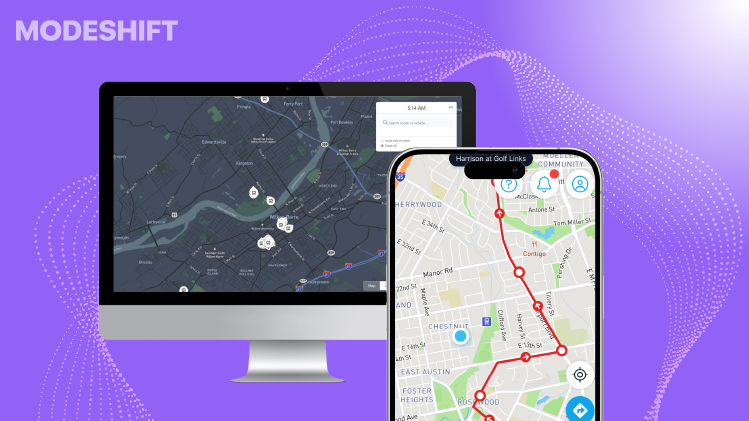
Partnering with a single vendor in public transit helps consolidate data by breaking down technological and operational silos, allowing agencies to manage disparate systems, such as scheduling, dispatch, maintenance, and passenger information, under a single, unified platform. This approach creates a “single source of truth” for all transportation data, leading to improved operational efficiency, better on-time performance, and a more comprehensive view of the entire network. By eliminating the need to sync data between multiple vendors (e.g., separate systems for scheduling, payroll, and maintenance), a single provider ensures consistent data, reducing errors and saving time. Data is consolidated into a single interface for actionable, real-time decision-making, allowing operators to see everything from vehicle location to maintenance needs instantly.
By analyzing both real-time and historical data together, agencies can gain insights into ridership trends, enabling them to optimize schedules and deploy vehicles more efficiently (e.g., matching supply with demand to avoid empty buses). Centralized systems support predictive maintenance, where sensors on vehicles transmit diagnostic data directly to a single platform, flagging maintenance issues before they cause service disruptions. A unified system further enables dispatchers to see how a delay in one part of the network affects other modes, facilitating a faster, more coordinated response. With access to comprehensive, standardized data, agencies can better plan for long-term infrastructure expansion and allocate resources where they are most needed. A single system also generates consistent, accurate reports, helping agencies track key performance indicators (KPIs) such as on-time performance and passenger satisfaction.
3. Faster Deployment And Lower Risk
Modern, cloud-based single-vendor solutions, particularly SaaS (Software-as-a-Service), allow for faster implementation compared to custom-built, multi-vendor systems. A single vendor with a comprehensive platform can roll out new, integrated features such as mobile ticketing or demand-responsive, on-demand services at a much faster rate than when coordinating between multiple, disparate vendors. Modular systems built on APIs (Application Programming Interfaces) help transit agencies with limited budgets save money by breaking vendor lock-in, enabling incremental, “best-of-breed” upgrades, and reducing the need for costly, full-system overhauls. This means that agencies can upgrade systems in manageable steps rather than replacing the entire system, enabling gradual modernization within constrained budgets.
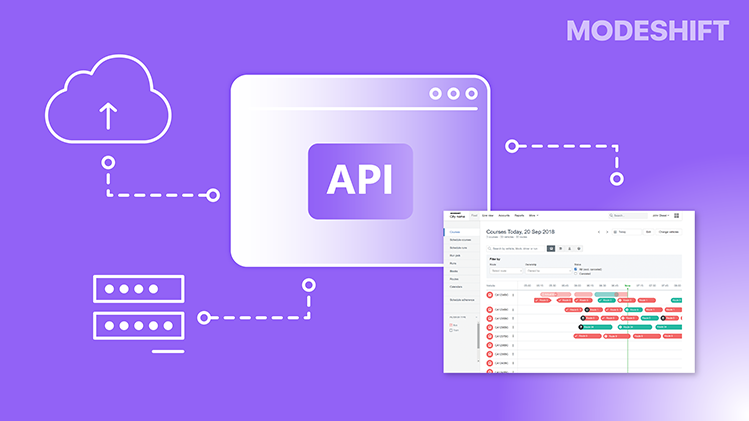
They can select the best, lowest-cost components for their needs (e.g., specific validators or ticketing modules) and integrate them via APIs. The headache of managing API connections between different vendors is also eliminated, allowing agency staff to focus on operations rather than software engineering. Because the vendor designed the components (e.g., hardware and software) to work together on the same platform, compatibility problems are also mitigated, preventing time-consuming fixes. Dealing with one vendor further eliminates the complex and time-consuming process of selecting, vetting, and contracting with multiple vendors for different components. A single vendor can typically manage all installation, training, and testing, which prevents delays caused by waiting on separate suppliers to complete dependent tasks.
4. Co-Innovation And Strategic Partnership
A high-quality vendor in public transit acts as a strategic partner, guiding agencies toward industry best practices and emerging trends rather than simply being a supplier. Good vendors help agencies navigate complex, fast-changing environments, such as electrification, cybersecurity, and on-demand services, by providing expertise, innovative technology, and operational insights. Instead of focusing on short-term costs, these vendors align with agencies on long-term sustainability, reliability, and security goals. This involves providing ongoing training to equip maintenance teams and operators with the skills to manage modern, complex technology. As systems become more connected, vendors are increasingly offering expertise in mitigating cybersecurity risks, such as ransomware, protecting passenger data, and securing operational infrastructure.
Some vendors are also driving the shift to cleaner energy sources, helping agencies move beyond diesel to adopt battery-electric buses, hydrogen fuel cells, and necessary charging infrastructure. Another prevalent theme in the modernization of transit is guiding agencies toward integrating digital technologies, including contactless payments (RFID/mobile wallets), real-time monitoring, and onboard Wi-Fi, to enhance the passenger experience. Leading vendors are also steering agencies toward industry standards such as ITxPT (Information Technology for Public Transport), which ensures interoperability and prevents vendor lock-in. Some vendors recommend agile, “Open Mobility” models that allow agencies to mix and match technologies and services (e.g., in paratransit) for better, more responsive service.
5. Bridging The Gap Between Fixed And Flexible Transit
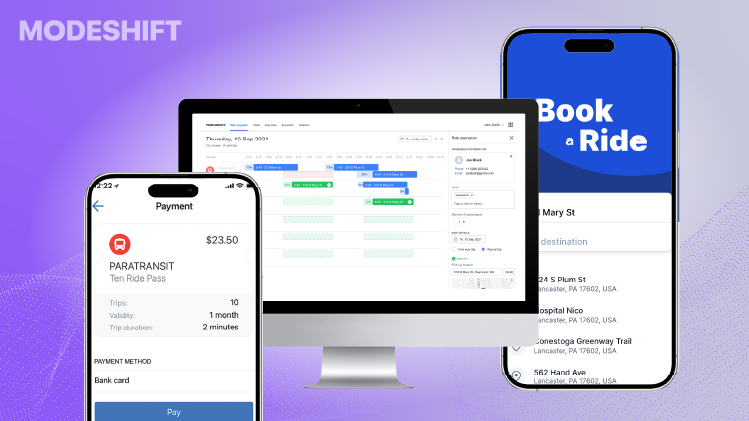
Traditionally, public transit, paratransit (for people with disabilities), and on-demand, flexible services operated independently, often with separate booking systems, branding, and management. Modernization efforts in public transit have made it possible to break down silos between traditional, fixed-route services and on-demand, microtransit, or paratransit services. Single-platform vendors are enabling agencies to manage all of these in one place, allowing for flexible, demand-responsive transit that is seamlessly integrated with legacy systems. By unifying these modes through a single, technology-driven platform, transit agencies are dramatically improving efficiency, expanding service coverage, and providing a seamless rider experience, particularly for first- and last-mile connectivity.
Transit agencies are increasingly adopting MaaS (Mobility-as-a-Service) platforms and integrated apps to enable users to plan, book, and pay for multimodal trips, combining services such as microtransit, buses, and trains, in a single, unified experience. To prevent microtransit from “cannibalizing” high-frequency, cost-effective fixed-route services, AI-based algorithms are also being used to guide users toward the best mode. These apps use custom logic to evaluate if a trip can be adequately served by existing fixed-route transit before offering a microtransit option. If a trip is well-served by a bus or train, that option is prioritized. By filtering choices, the algorithm ensures that microtransit capacity is reserved for trips that cannot be efficiently served by fixed routes, allowing the overall network to maintain cost-effectiveness.
In Conclusion
While the “best-of-breed” approach (using specialized vendors for each component of a transit system) is often touted as the only way to ensure agility, a single-vendor strategy can actually provide superior flexibility and innovation, provided the vendor offers a modern, integrated platform. By moving away from monolithic, legacy, vertically integrated systems to a modern “unified platform” approach, public transit agencies can achieve the necessary speed and adaptability to modernize without the nightmare of managing multiple, disparate technology providers. The key is often not the number of vendors, but the type of platform being used. A single vendor that offers a flexible, modern, cloud-native (SaaS) ecosystem provides the agility to adapt quickly to changing demands while allowing for easier innovation and faster modernization than a patchwork of disparate systems.