
Transforming public transit with modular fare collection involves utilizing flexible, building-block systems instead of rigid ones, allowing agencies to mix and match technologies such as contactless bank cards, mobile payments, and smartcards. This helps create a more inclusive, cost-effective, and future-ready experience for riders with seamless account-based access and simplified payments. By incorporating open, cloud-based platforms (SaaS), transport companies can adopt new technologies at a faster pace, reduce costs, and support multimodal travel by integrating diverse services under a single, flexible system.
In this article, we’ll examine some of the ways that modular fare collection has helped agencies future-proof their fare collection, operations, and infrastructure by providing a flexible, adaptable, and scalable framework that can evolve with new technologies and payment methods.
Core Characteristics Of Modular Fare Collection
Modular fare collection is designed to offer flexibility, scalability, and adaptability to transit networks by allowing agencies to combine, remove, or upgrade individual, standardized components rather than replacing an entire system. Agencies can start with a basic configuration (e.g., traditional magnetic cards) and add new, modern, or advanced modules (e.g., contactless payments, NFC, QR codes) as needs change. These systems are built to work with various, sometimes legacy, hardware and software, ensuring that different components (gates, validators, backend systems) can communicate seamlessly. Modular systems enable multiple payment types to coexist, including cash, smart cards, mobile wallets, and contactless EMV bank cards. Rather than a full system overhaul, only specific modules need to be replaced or upgraded, which significantly reduces the cost of adopting new technologies.
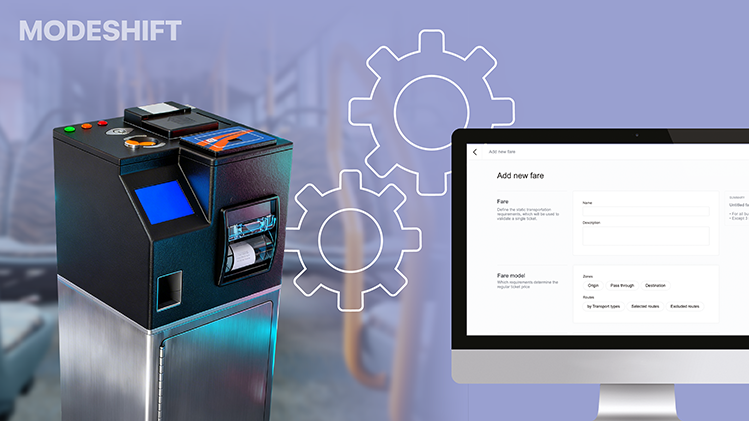
Modular architecture further supports the seamless integration of emerging technologies, such as biometric authentication (facial recognition, fingerprints) or new IoT (Internet of Things) devices. Agencies can easily swap out or add new, cutting-edge, or, in many cases, superior components such as enhanced data analytics or fraud prevention tools without making changes to the entire system. Modular components are often associated with a cloud-based back office, allowing for real-time monitoring of transactions, passenger flow, and system health. The system is not limited to just physical hardware, such as validators; it also includes modular software for managing fare rules, reporting, and clearing payments across multiple operators. A transit agency might begin with ticket vending machines, later integrate contactless payment validators, and finally add a mobile application interface, all within the same modular framework.
How Modular Fare Collection Reduces Costs And Operational Burdens For Transit Agencies
Modular fare collection reduces costs and operational burdens for transit agencies by replacing proprietary and high-maintenance legacy infrastructure with flexible, “best-of-breed” components that can be updated over time. By utilizing open APIs, cloud-native platforms, and “plug and play” technology, agencies can avoid vendor lock-in, significantly lower capital expenditures, and streamline fare management, with some solutions offering up to 73% savings compared to traditional systems. Modular systems support “tap and go” payments via bank-issued contactless cards (EMV), NFC-enabled smartphones, and smartwatches, reducing the reliance on paper tickets and physical cash. Instead of paying drivers or using on-board ticket machines, passengers can load value onto digital accounts through kiosks, retail networks, or mobile apps before boarding, limiting the use of cash on board.
Since the hardware is modular and often cloud-based, it removes the need for drivers to handle money, provide change, or reconcile cash, lowering labor costs and reducing the risk of lost, stolen, or misplaced currency. This reduces the pressure on operators to manage fare disputes, allowing them to focus on safety and schedule adherence. Every transaction is logged instantly in a central backend system, providing accurate data and preventing unauthorized ticket usage or fare evasion. Modular systems further utilize advanced encryption and tokenization, making it much harder for thieves to intercept payment data compared to older, magnetic strip systems. With Account-Based Ticketing (ABT), the back office handles fare calculations and validation, enabling transit staff to trace and resolve any transaction issues. Agencies can add new payment methods as technology evolves, allowing personnel to adapt to changing passenger habits without needing to learn entirely new, complex systems.
Adopting A “Plug And Play” Approach For Maximum Efficiency

Modular systems rely on standardized interfaces (APIs) that allow different vendors’ hardware and software to communicate, fostering interoperability. The core of the system is a centralized, cloud-native platform that processes transactions in real-time, manages fares, and reconciles payments. This reduces the need for on-premise, proprietary servers. Modern fare gates and validators are capable of accepting multiple media types (NFC, QR, EMV) and are easily integrated into the central system. Rather than commissioning custom-built systems, agencies can transition toward SaaS platforms, which allow for continuous, flexible, and often cloud-based updates. By implementing Account-Based Ticketing (ABT), agencies can shift the core logic from the card to the back office, allowing for easy, real-time updates to fare rules and capping.
Introducing open-loop (EMV) contactless payments, such as bank cards (Visa, Mastercard) and mobile wallets (Apple Pay, Google Pay), further enables users to pay with their existing devices, reducing the administrative burden on agencies that comes from handling cash and managing their own proprietary card systems. By utilizing a “plug and play” approach, transit agencies can use modern validators that accept contactless cards, QR codes, and NFC devices simultaneously, providing flexibility without requiring hardware replacement for each new payment type. Implementing QR code technology is a cost-effective and easy way to introduce digital tickets that work on smartphones without the need for heavy, new hardware. Integrating ticketing into mobile apps allows passengers to plan, track, and pay for trips in one place, while helping transit authorities gather valuable data that can be used for service planning and resource allocation.
Considerations For Implementing Modular Fare Collection In Public Transit
Transit agencies should consider a phased rollout via pilots for modular fare collection to reduce risk, manage costs, and adapt to rapidly evolving technology without causing major service disruptions. Modular systems are best tested in smaller, manageable segments to ensure operational readiness before full deployment. Agencies could begin with a pilot on specific routes or for specific user groups (e.g., seniors) to iron out technical issues before initiating a full system-wide rollout. Pilots allow authorities to test technology in a controlled environment, such as on a single bus route or at specific stations, minimizing public disruption. If technical glitches were to occur during the initial stages, they are also easier to identify, troubleshoot, and fix before they affect the entire network. A phased rollout also comes with a smaller upfront investment, with costs spread over time rather than a massive, upfront capital expenditure. By investing in modular solutions, agencies can break free from long-term, high-cost monopoly contracts with legacy providers.

Modular, Account-Based Ticketing (ABT) systems further allow transit agencies to provide passengers with the best possible fare automatically while modernizing infrastructure in phases. Transit staff can configure rules for fare capping logic by defining daily, weekly, or monthly caps in the back office. The system then tracks usage and, once the cost reaches the predefined cap, it automatically switches subsequent trips to free. Fare capping allows riders to be rewarded for frequent travel without being forced into a rigid, prepaid monthly pass they may not fully utilize. Modular systems often include multi-operator or regional capping, allowing fares to be capped across different modes such as buses, trains, subways, and operators. This makes transit more intuitive and less stressful, ensuring that passengers don’t pay more when switching between different modes of transport services.
In Conclusion
Introducing modular fare collection requires shifting from rigid, proprietary systems to flexible, interoperable, and API-driven solutions. Platforms must support open APIs to enable communication between different modules, such as validators, ticketing apps, and payment processors. The system should handle various modes (bus, rail, bike-share) and payment methods (contactless bank cards, mobile wallets, QR codes) within a single, unified interface. Selecting vendors that adhere to global standards (e.g., EMV, ISO) rather than proprietary systems further helps prevent long-term vendor lock-in. Cloud systems require a fast, reliable, and secure network connection to process transactions in real-time. With the backend being cloud-based, edge devices (validators) must be robust enough to operate during network outages or interruptions, with the ability to reconcile data once connectivity is restored. When it comes to real-time management, the system should also allow operators to monitor, update, and troubleshoot devices. This includes fare rules and revenue in real-time while supporting coexisting media, such as physical smart cards, QR codes, and phone-based NFC.
Transport agencies should also verify that payment service providers (PSPs) and validators strictly adhere to Payment Card Industry Data Security Standards (PCI DSS) to protect user financial data. This includes PCI-Level 1 compliance for all payment processing, robust encryption, tokenization, and strict, role-based access control measures. This helps ensure that the most rigorous security standards are in place, helping secure credit/debit cards, mobile wallets, and NFC transactions at ticket vending machines and validators. Furthermore, modular systems incorporate various hardware and software, such as standard validators and mobile app-based systems, that require specialized skills to manage and maintain. Well-trained staff can quickly resolve minor issues, maintaining high levels of service uptime, which is essential for passenger confidence. By adopting a modular, interoperable approach, transit agencies ensure their systems remain relevant for years, transforming them from inflexible, “locked-in” assets into agile, future-ready, and sustainable services.


