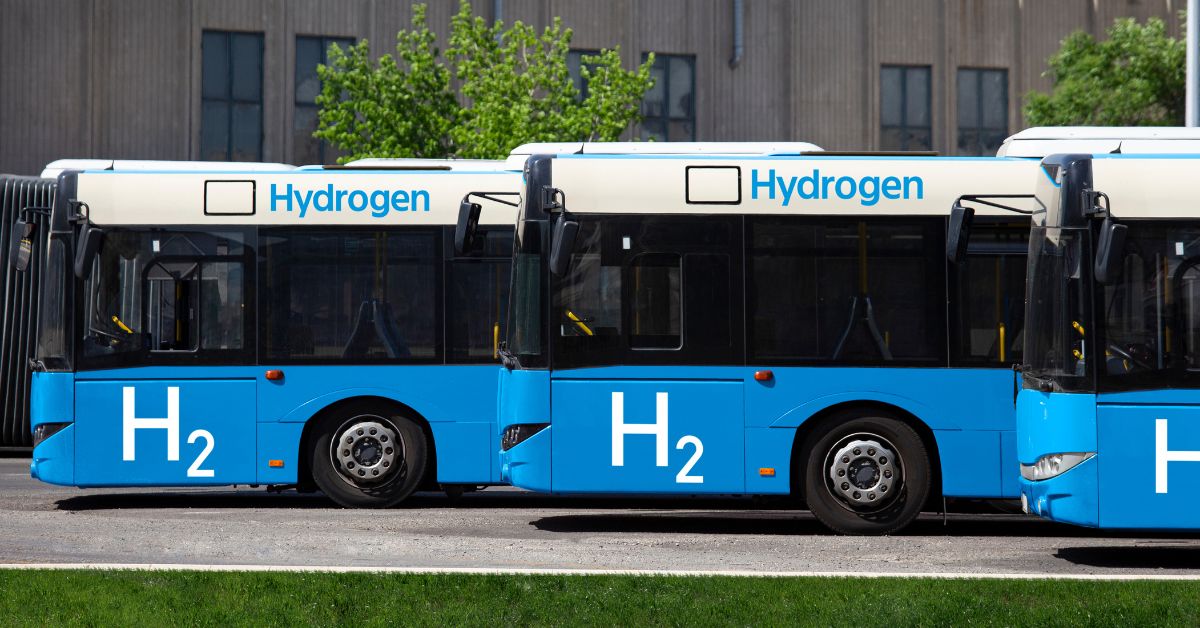
Road transport accounts for approximately 72-75% of all transportation emissions and about 15-20% of total global greenhouse gas emissions, making it a significant contributor to climate change. The “Road to Net-Zero” in public transportation refers to a strategic plan designed to eliminate or significantly reduce greenhouse gas emissions from the sector to achieve net-zero targets. This involves a multifaceted approach, including transitioning to zero-emission vehicles such as electric or hydrogen buses, electrifying rail lines, improving system-wide efficiency, and making public transit more appealing than private cars to reduce overall vehicle miles traveled. Other key actions include investing in infrastructure such as charging stations, using cleaner fuels like hydrogen or biofuels, and optimizing networks alongside the promotion of sustainable travel patterns.
In this article, we’ll explore some of the most innovative strategies and solutions that are helping public transport agencies move closer toward achieving net-zero goals. We’ll back this with real-life examples, along with the most common challenges and how cities are overcoming them.
Intelligent Transportation Systems (ITS): One Of The Most Vital Components In A Net-Zero Future
Intelligent Transportation Systems (ITS) are crucial for a net-zero future because they utilize technology to make transportation safer, more efficient, and more sustainable, which reduces emissions. By integrating technologies such as smart traffic lights, real-time traffic management systems, and connected vehicles, ITS can optimize traffic flow, decrease congestion, and encourage the use of public and shared transit, leading to lower energy consumption. These systems leverage sensors, cameras, and advanced software to manage traffic signals and predict congestion, reducing idling time and fuel consumption. By making traffic flow smoother and by enhancing efficiency, ITS directly contributes to lower greenhouse gas emissions from vehicles. ITS includes features such as traffic monitoring and emergency response systems, which are essential for making roads safer. Several cities, including Amsterdam, Barcelona, Zurich, New York, and Singapore, are implementing ITS in combination with innovative energy grid solutions for transport, such as using smart grids for efficient power distribution.

This includes developing microgrids with renewable energy storage and integrating advanced solutions such as vehicle-to-grid (V2G) technology. Smart grids enable better management of energy flow, improve efficiency, and incorporate renewable sources such as solar and wind power. Microgrids offer localized energy through their own generation and storage (like solar and batteries), which can operate independently if the main grid fails, enhancing reliability. In V2G technology, electric vehicles not only draw power from the grid but also send power back to it, helping to stabilize the grid and manage peak demand. In the future, this will be critical for how entire transport networks operate and integrate with other smart city infrastructure, including ITS. Cities are also increasing their reliance on renewable sources such as hydropower, geothermal power, and wind power, which are directly integrated into energy grids.
The Shift Toward Compressed Natural Gas (CNG) Buses And Why Agencies Are Choosing Them Over Electric Ones
Agencies are shifting toward Compressed Natural Gas (CNG) buses over electric ones due to lower initial costs, proven infrastructure, and faster refueling times, despite electric buses often having lower operating costs and a better long-term environmental profile. CNG offers a readily available, cleaner alternative to diesel with lower emissions of pollutants such as particulate matter and nitrogen oxides. This makes it an immediate, practical step for reducing environmental impact, especially where the infrastructure and funding for electric buses are not yet sufficient. CNG buses use existing or easily adaptable fueling infrastructure, which is more established than the charging infrastructure required for electric buses. Refueling a CNG bus can be done in a similar timeframe to refueling a diesel bus, which is much faster than the charging time for most electric buses.
The high upfront cost of purchasing electric buses and the substantial investment required for charging infrastructure can also be a significant barrier. CNG buses are a more economical option for agencies with limited funding, as they require a lower initial investment compared to a fully electric fleet. Furthermore, CNG buses can operate consistently in various weather conditions without the range limitations that electric buses may face in cold temperatures. CNG buses significantly reduce harmful emissions compared to diesel buses, producing virtually no soot (particulate matter) and much lower levels of nitrogen oxides and carbon monoxide. This means that they offer an immediate and effective way to reduce local air pollution, even if they are not zero-emission like electric buses.
The Role Of Smart Transit Technology In Achieving Net Zero Goals
Smart transit technology helps achieve net-zero goals by optimizing existing transport networks, encouraging sustainable alternatives, and integrating with other smart city infrastructure. Agencies are investing in comprehensive back-end systems to enhance operations and reduce emissions by integrating technologies such as AI, IoT, and advanced analytics. These technologies help optimize energy consumption in infrastructure and facilities, while improving logistics and transportation efficiency. By analyzing data, transport authorities can identify waste, optimize routes, reduce empty miles, and lower energy usage, while also enabling real-time performance monitoring and facilitating sustainability reporting.
Modern payment systems are also helping agencies reduce emissions by transitioning from physical to digital transactions, which cuts down on the energy and resources needed for cash production, card manufacturing, and paper-based documents like receipts and invoices. Digital and mobile payments reduce the need for physical cash, which requires significant energy and resources to print and transport. Agencies can further reduce plastic waste by replacing plastic cards with alternatives made from recycled or biodegradable materials, or by eliminating cards through the use of contactless payment systems and mobile wallets. Some ATMs and payment terminals are also being designed to run on renewable energy sources such as solar power.
How Virtual Transit Networks Leverage Real-Time Data And Dynamic Routing To Transform Transport Systems
Several cities, including Singapore, Helsinki, Zurich, and York, are now utilizing virtual transit networks, which are digital replicas (also known as digital twins) of their urban transit systems. These virtual networks are used to optimize traffic management, enhance public transportation, test new designs, and inform citizens with real-time data. Other cities such as London, Barcelona, and Dubai are also implementing connected public transport systems that fall under this umbrella. Virtual transit networks are primarily used in real-time traffic management by integrating live data from sensors, traffic lights, and vehicles to predict and control traffic flow, optimize routes, and manage incidents. They can also be used to test the impact of new developments and designs in a virtual environment before implementation in the physical world.
Virtual Transit Networks can provide real-time updates, route information, and an interactive avatar-based service to travelers while optimizing public transportation for better capacity and reduced emissions. Finland’s capital, Helsinki, has deployed a digital twin model for urban planning, aiming to achieve carbon neutrality by 2035. In the UK, York was the first city to use a real-time transport model for live traffic management by integrating data from sensors, traffic signals, and speed data. Singapore utilizes an urban digital twin model to improve urban planning strategies, making them more resilient and sustainable. In Switzerland, Zurich has created an interactive 3D digital twin to simulate the impact of new construction developments and to collect feedback. The city of Brest in France is testing a “virtual avatar” to provide passenger information and has a system that integrates digital data with other passenger information sources.
Why European Cities Are At The Forefront Of The Green Transportation Movement
European cities are leading the green transportation movement due to their high population density, historical urban design that favors public transit over cars, and a strong commitment from EU-level policies and city-specific initiatives to reduce pollution and improve quality of life. The European Green Deal and the New European Urban Mobility Framework have set ambitious targets for reducing transport emissions, such as a 90% reduction by 2050. Many European cities were built before the automobile era, resulting in a dense, walkable layout and narrow streets that are more suited for public transit and active mobility rather than private vehicles. European cities are investing heavily in public transport networks, replacing fossil-fueled buses with electric ones, expanding cycling lanes, and creating pedestrian zones to encourage walking and cycling.
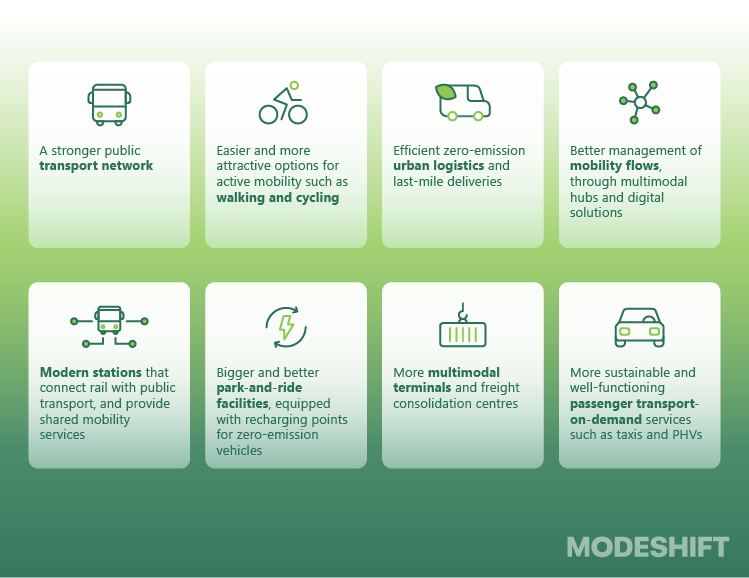
EU green transportation initiatives not only reduce emissions but also aim to improve air quality, reduce noise, and create healthier, more livable urban environments. A growing network of charging stations supports the increasing number of electric vehicles and car-sharing schemes, alongside the adoption of e-scooters and bike-sharing schemes, which have shown great results in reducing the number of cars on the road. Transport policies such as London’s Ultra Low Emission Zone (ULEZ) and other European congestion charges have successfully improved air quality in cities by reducing the number of older, more polluting vehicles. This has decreased harmful pollutants such as nitrogen oxides and particulate matter, while encouraging a shift toward public and active transportation. London’s ULEZ has reduced roadside nitrogen dioxide concentrations by up to 27% across the city.
Transit Agencies That Took On The Role Of Managing Shared Mobility Fleets: What Are The Results?
Many European cities, including Amsterdam and Geneva, as well as towns in the US, such as Boston and San Francisco, manage shared mobility services in conjunction with public transport through various methods. These can include public-private partnerships, Mobility-as-a-Service (MaaS) platforms, shared mobility hubs, and bundled memberships to offer riders more options. By integrating public transportation and shared mobility into a single digital platform, users can plan, book, and pay for their entire journey from one app. Creating physical locations such as hubs where various modes of transportation, including public transit and shared options, are co-located can help facilitate easy transfers. Offering combined subscriptions or payment options that provide access to both public transit and shared services, such as bikes or car sharing, is another way to enhance user convenience and promote these types of initiatives.
In the Netherlands, the city of Amsterdam operates a comprehensive system of shared bikes, mopeds, and cars, complemented by a public transportation network, which integrates these modes of transportation into digital platforms for planning and payment. In Switzerland, Geneva has partnered with a bike-sharing service to offer bundled memberships that provide users with access to both public transportation and bikes. The partnership yielded significant results in terms of the percentage of users who use the bikes as a replacement for public transport during peak hours. Rotterdam is also actively involved in a project to integrate shared mobility hubs into existing MaaS platforms, allowing for seamless multimodal travel through a single interface. In the U.S., Boston and San Francisco have implemented public-private partnerships to integrate shared mobility services with public transit.
In Conclusion
Public transportation agencies can ensure they are on track to meet future net-zero targets by electrifying vehicle fleets (particularly buses and rail), investing in and expanding mass transit systems, and creating integrated, accessible, and affordable networks. Digital tools can be highly effective in streamlining sustainability in transit by automating data collection and analysis, which improves emissions tracking, efficiency, and reporting. This enables real-time performance monitoring, identification of inefficiencies, and data-driven decision-making to implement sustainable practices more effectively. Technologies such as the Internet of Things (IoT), Artificial Intelligence (AI), and blockchain are key components that help agencies manage their environmental impact and achieve sustainability goals.
MaaS platforms are also key in decreasing overall emissions by making public transport and other sustainable options more appealing through integrated planning, booking, and payment in a single app. This shift encourages users to opt for lower-emission modes such as buses, trains, cycling, and walking over private cars, leading to reduced traffic congestion in cities and lower carbon footprints. Technologies that speed up boarding times, such as “tap-to-pay” or mobile ticketing, also mean less time for buses and trains to idle at stops, reducing emissions from stationary vehicles. Additionally, MaaS can provide users with real-time data on emissions for each trip, enabling providers to offer incentives for sustainable travel choices while helping transport authorities optimize their networks to further improve efficiency.