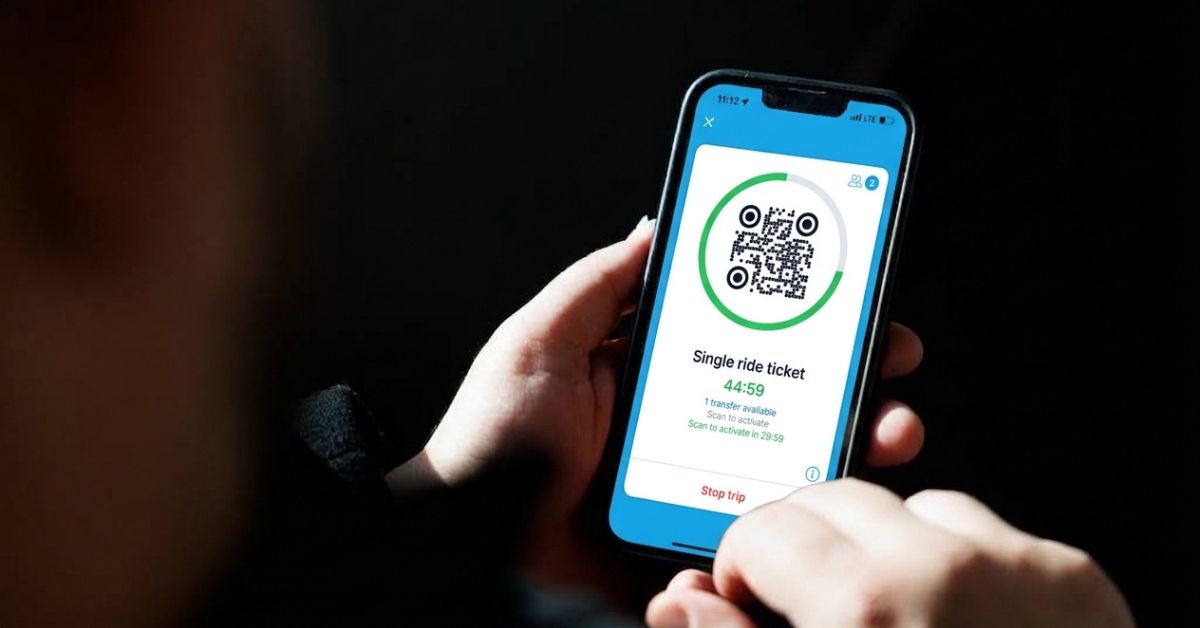
Developing inclusive and accessible cities is essential for improving the quality of life for urban residents. Public transportation plays a key role in ensuring that all members of society, regardless of age or ability, have access to various opportunities and services. This includes employment, education, healthcare, and other essential and recreational amenities. To make public transportation more accessible, cities are implementing strategies focused on infrastructure upgrades, service improvements, and inclusive urban design. This involves expanding networks, increasing service frequency, improving physical access, and providing real-time information, while maintaining affordable fares.
In this article, we’ll explore the significance of inclusive urban planning, along with some strategies for establishing accessible transport systems, backed by prominent case studies from around the world.
How Inclusive Are Our Public Transport Systems?
Over the past decade, several organizations, including the United Nations, have conducted studies on inclusivity in urban transportation to ensure fair opportunities for all commuters. The research focused on key barriers that limit access to public transit for various members of society, such as people with disabilities, the elderly, and low-income residents. Major obstacles include poorly designed transport systems, high fares, insufficient safety regulations, and schedules that fail to meet the travel needs of certain commuters. Physical and social barriers, such as the absence of ramps, long walking distances, extended waiting times, and a lack of real-time information at bus stops or stations, further contribute to low ridership in certain areas.

A recent survey by McKinsey & Company, involving over 20 public-transport operators worldwide, identified key requirements and initiatives for creating inclusive transportation systems. The results indicated that although many efforts are aimed at improving inclusion, they often lack an integrated, 360-degree framework. This suggests that while upgrading physical infrastructure or investing in technology is beneficial, it’s only a partial solution. Transport authorities need to adopt a comprehensive approach that enhances access to public transportation. This includes utilizing technology to improve service planning and delivery, dynamically adjusting schedules to better serve underserved areas, collaborating with other mobility providers, and providing riders with smarter, more convenient ways to plan, book, and pay for their journeys.
Transit Scheduling Software Is Essential For Making Public Transportation More Accessible
As cities expand, managing the complexities of modern transit systems becomes increasingly difficult. Without effective scheduling software, agencies often struggle to optimize vehicle routes and dispatch, leading to overcrowding on some routes while others remain underutilized. This can result in severe delays, poor resource allocation, increased fuel consumption, and higher operational costs. Inaccurate arrival predictions, a lack of real-time data, and unreliable services also decrease customer satisfaction, leading to lower ridership levels over time. Agencies using outdated systems may also struggle to adopt new technologies such as mobile ticketing, real-time tracking, and smart card systems, all of which are essential for enhancing service access and improving the user experience.
Automatic Vehicle Location (AVL) systems are vital for tracking vehicles in real-time. Sensors on board transit vehicles send information about each vehicle’s location and status, enabling adjustments that improve on-time performance. The scheduling software then analyzes passenger demand patterns to modify routes and schedules in real-time, allowing transit agencies to allocate resources more effectively. By adjusting intervals between vehicles, agencies can deploy vehicles where they are needed most, improving transfer reliability and decreasing wait times. Advanced scheduling solutions include Real-time Passenger Information Systems (RTPI), which help passengers plan their trips by sending updates on arrival times, delays, and other relevant information via mobile apps, digital displays, and audio announcements.
Bridging The First-last Mile Gap In Service Delivery
Improving first and last-mile connectivity is crucial for enhancing the accessibility of public transport. By bridging the gap between people’s homes or workplaces and public transport hubs, we can improve the overall efficiency and convenience of public transit systems. First- and last-mile solutions, such as bike-sharing, ride-sharing, and on-demand services, ensure that public transportation remains accessible to a wider range of users, including those in underserved areas and those with mobility challenges. On-demand transit in particular offers a cost-effective way to expand public transportation coverage in areas with lower ridership. When the San Antonio VIA Metropolitan Transit in Texas decided to replace three underperforming fixed bus routes in low-density areas with an on-demand solution, the agency saw a 20% reduction in cost per passenger.
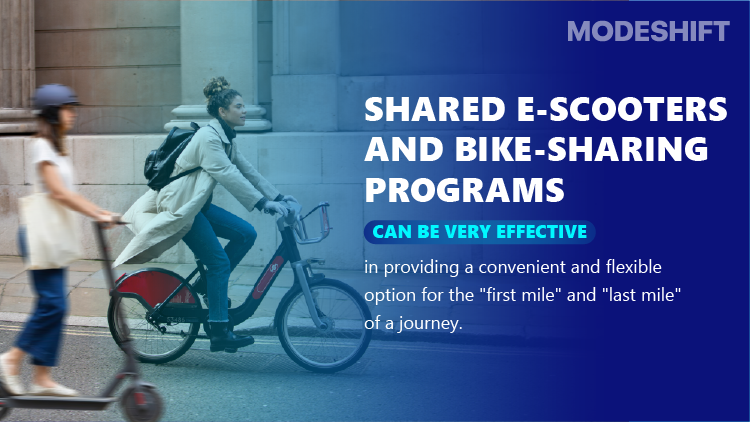
Shared e-scooters and bike-sharing programs can be very effective in providing a convenient and flexible option for the “first mile” and “last mile” of a journey, especially in areas with limited public transport coverage or infrequent services. Cities are increasingly integrating shared mobility services with public transit systems through partnerships and technology platforms. This combination includes features such as integrated ticketing, real-time information sharing, and designated pick-up and drop-off locations. In the U.S., Nebraska’s largest city, Lincoln, introduced an app-based solution as part of a strategy to fill gaps in the local bus network. The service offers flexible, on-demand transportation, allowing users to book rides as needed while also supplying vehicles that are accessible for individuals with disabilities.
Personalized Mobility Solutions Could Help Create New Standards For Equitable Transportation
Data from shared mobility schemes, including information about user behavior, vehicle availability, and trip patterns, can be analyzed and leveraged to improve the efficiency, accessibility, and sustainability of transportation systems. This data can inform Mobility as a Service (MaaS) platforms, helping optimize traffic management while enhancing public transport integration. By looking at user preferences and travel patterns, mobility providers can offer personalized recommendations and tailored services. This could include suggesting the most convenient and efficient mode of transportation for a specific trip or providing customized discounts and offers. In 2024, a city in Italy, Milan, launched a city-wide platform to assist with the management of shared mobility data. The solution offered real-time insights into usage, parking behavior, and equity, ensuring shared mobility is scalable and supported by evidence.
Shared mobility providers in particular can tailor their services to address the specific needs of individuals with limited mobility by providing wheelchair-accessible vehicles or offering specialized assistance. Having this option could dramatically enhance access for certain individuals, helping connect them to various locations, including mobility hubs, transit stops, and other facilities. Some cities have also implemented pilot programs that provide free or subsidized ride-sharing services to connect individuals with disabilities to public transit. In California, Santa Monica’s Mobility on Demand Everyday (MODE) program offers subsidized, on-demand, shared rides for seniors and individuals with disabilities. Rides cost as little as $0.50, and companions can ride for an additional fee.
How Modern Payment Systems Are Enhancing Access To Public Transit
Modern payment systems are making public transit more inclusive by offering convenient, accessible, and often more affordable options for a wider range of users. Contactless EMV Payments, including open-loop systems and fare-capping, remain key components in this shift. These technologies reduce barriers to public transportation, particularly for individuals without bank accounts or those who prefer not to use cash. This can lead to broader financial inclusion along with enhanced customer experiences and cost savings. Open-loop payment systems allow anyone with a credit or debit card to use public transit, eliminating the need for specific transit cards or cash. Fare capping ensures riders are not overcharged by automatically limiting the total amount they pay for public transport journeys within a certain time frame, such as a day, week, or month.

Digital payments are crucial to implementing targeted fare discounts and subsidies, which make public transit more accessible to low-income individuals and other vulnerable groups. When integrated with Account-Based Ticketing (ABT), transport authorities can experiment with different fare structures, offering riders different incentives, such as monthly passes and discounts. Data from payment systems can also be leveraged to optimize services, helping improve efficiency and enhancing the rider experience. By analyzing passenger behavior, agencies can adjust routes, schedules, and pricing strategies to meet demand and improve resource allocation. This data also helps identify peak travel times, aiding in understanding rider preferences and detecting areas with low service utilization, allowing for targeted improvements.
The Importance Of Designing Accessible Public Transport Infrastructure
Developing inclusive mobility infrastructure is a significant challenge due to the diverse needs of individuals with varying mobility levels. Transport authorities must ensure accessibility for wheelchair users, pedestrians, and those with visual or auditory impairments. Some key considerations for equitable public transport vehicle design include ramps, lifts, designated spaces, and clear signage, all of which are crucial for wheelchair users, those with mobility aids, and people with other physical limitations. Clear and audible announcements, large, high-contrast displays, and tactile maps can significantly help riders with visual or auditory impairments. When it comes to transit apps, simple and intuitive interfaces combined with readily available information and assistive technologies can improve usability for individuals with cognitive or developmental disabilities.
Other concepts, such as Complete Streets, are also gaining traction in various parts of the world. These projects involve a more holistic approach to street design, which takes into account how entire neighbourhoods are planned, designed, and maintained. Such initiatives aim to improve accessibility for all members of society, from young children to older adults and people with disabilities. Safety is highly prioritized, with a particular emphasis on vulnerable road users. Key components of Complete Streets projects include infrastructure improvements such as adding or improving sidewalks, crosswalks, bike lanes, and transit stops. Some of the most notable Complete Streets projects in the U.S. include Orange Avenue in Orlando, Florida, where streets were redesigned with protected bike lanes, expanded sidewalks, and dedicated bus lanes. Portland, Oregon, has numerous ongoing projects, including new bike paths, transit facilities, and enhanced pedestrian spaces.
In Conclusion
Improving access to public transportation requires a multifaceted approach that integrates different transportation modes, enhancing overall accessibility while offering additional options to riders. It’s becoming increasingly important to connect public transit with other shared and active mobility modes, such as walking and biking, accompanied by the adoption of digital tools and apps. Well-established mobility hubs and efficient Mobility as a Service (MaaS) platforms will work together to provide comprehensive access to destinations by creating integrated, user-centric transportation systems. Recent findings show that cities across the U.S. are making progress in building safer, more connected cycling infrastructure and may soon reach the key bikeability threshold.
Cities such as Minneapolis, Portland, San Francisco, and New York City are advancing in developing high-quality biking infrastructure and are expanding efforts to encourage cycling. Chicago is implementing new improvements to its bike and scooter share system, which are expected to lower costs and increase access during peak hours. The historic Bipartisan Infrastructure Law is currently allocating billions of dollars to modernize U.S. infrastructure and promote access to safe, clean, and reliable transportation. This funding also supports major public transit projects, such as the Thriving Communities program, which aims to help disadvantaged communities gain better access to equitable and climate-friendly infrastructure and mobility options.