
Navigating the emerging challenges of modern transportation requires a forward-thinking approach that encompasses robust strategic planning and technological advancements. This means utilizing new mobility solutions, integrating multiple transportation modes, and prioritizing practices that enhance sustainability and efficiency within transit networks. Blockchain has the potential to transform the public transport sector by improving ticketing systems, increasing data transparency and security, and optimizing operations. In this article, we’ll explore blockchain’s impact on the sector in regard to enhancing transit systems, streamlining operations, and fostering innovation in a fast-changing industry.
The article in a nutshell:
- Using blockchain to enhance security and transparency
- Improving operational efficiency through blockchain
- Blockchain’s role in establishing decentralized ticketing systems
- Integrating blockchain with Mobility-as-a-Service (MaaS)
- Challenges of implementing blockchain technology in transit
- Global examples of countries utilizing blockchain technology
- Final thoughts
Using Blockchain To Enhance Security And Transparency
Modern transportation systems rely on complex networks of hardware and software, including automated systems, GPS, and real-time data, making them susceptible to data breaches. Smart ticketing systems, in particular, as well as other digital components, store very sensitive data, making them targets for cybercriminals seeking to steal information or disrupt services. Blockchain’s decentralized and tamper-proof capabilities help enhance modern account-based ticketing systems by providing increased security, transparency, and efficiency. This is achieved by enabling secure, transparent, and automated ticketing processes through the use of smart contracts and non-fungible tokens (NFTs).
When it comes to data storage, Blockchain uses encryption techniques to protect sensitive passenger data, making it unreadable to unauthorized individuals. This adds an extra layer of security, ensuring that only those with the correct decryption keys can access the information. Blockchain provides a secure, transparent, and immutable record of all transactions within a system, including vehicle locations. While data is encrypted, the blockchain ledger is transparent, meaning that all participants in the network can see the transactions and changes made, but they cannot tamper with them. The result is improved data accuracy, enhanced transparency, better traffic management insights, and increased trust in the system.
Improving Operational Efficiency Through Blockchain

Blockchain can be particularly helpful in tracking and managing public transportation assets, such as vehicles and infrastructure, improving maintenance scheduling and resource allocation. Transport authorities can utilize blockchain to track the location, maintenance history, and usage of public transit vehicles, whether it’s for buses, trains, or trams. The technology’s ability to record the lifecycle of parts and components ensures accountability and facilitates efficient maintenance and replacement. Taking things a step further, staff in transit facilities used for maintenance and repairs can leverage blockchain to track inventory of spare parts, reducing the risk of shortages or overstocking.
Blockchain technology can also be integrated with IoT sensors on vehicles and infrastructure to collect real-time data on asset conditions and performance, further enhancing tracking and management capabilities. Real-time data and analytics derived from blockchain-based systems can be used to optimize routes and reduce travel times. By analyzing travel patterns and identifying bottlenecks, blockchain can help alleviate congestion and improve traffic flow. The availability of accurate and transparent data on the blockchain can also aid public transportation operators in making better-informed decisions about asset management and resource allocation.
Blockchain’s Role In Establishing Decentralized Ticketing Systems
Traditional ticketing systems often involve multiple vendors, complex integrations, and potential risks for fraud and revenue leakage. Blockchain can help in establishing secure, transparent, and decentralized ticketing systems. Through decentralized apps (dApps) built on blockchain, users can purchase and manage all their tickets directly, eliminating the need for physical fares or centralized ticketing systems. This also helps reduce any additional administrative costs for transport agencies. The initiation of smart contracts can automate the entire process of issuing tickets, validation, and even cover refunds, ensuring transparency and reducing the need for intermediaries.

A blockchain ledger records all transactions securely and transparently, ensuring fair pricing by preventing overcharging. The immutable nature of the blockchain ledger makes it difficult to alter or tamper with. Dynamic pricing models based on real-time demand could also be implemented securely. Experts at the University of Birmingham in the United Kingdom recently developed a ticketing solution for transport by leveraging blockchain and ontology. Ontology utilizes blockchain technology to establish a decentralized framework for managing digital identities and data. Blockchain is used for selling and validating tokenized tickets, while ontology facilitates data sharing among providers regarding routes, schedules, and availability.
Integrating Blockchain With Mobility-as-a-Service (MaaS)
Combining various transportation modes such as bus, train, bike-sharing, and ride-hailing into a single MaaS platform can be challenging. Blockchain enables seamless communication and data exchange between different transportation providers, enabling a truly integrated MaaS experience. The introduction of self-executing smart contracts makes it possible to automate numerous tasks, such as payments, ticketing, and booking, simplifying multiple processes within the MaaS ecosystem. By streamlining payments and ticketing, blockchain can minimize friction for users, making it easier and more convenient to access and utilize various transportation options. Blockchain’s tokenization capabilities can be used to represent various mobility services, making it easier to manage and exchange value within the MaaS system.
There’s a lot of debate around MaaS in regard to the sharing and management of data. Some providers are reluctant to participate in an open data framework where providers can leverage available data without sharing any of their own. The transparency and security offered by blockchain could foster greater trust between users and providers, encouraging wider adoption of MaaS services. Blockchain’s data-sharing capabilities mean that multiple stakeholders, such as transit authorities, operators, and users, can access real-time information. AI-driven insights aid in designing personalized travel plans, suggesting optimal routes, modes of transport, and ticketing options based on individual preferences. Smart contracts also automate fare splitting among service providers, ensuring a hassle-free experience for all participants within the network.
Challenges Of Implementing Blockchain Technology In Transit
Implementing blockchain technology in the transit sector presents several key challenges. Blockchain can be complicated to implement and integrate with existing systems, often requiring substantial investment and expertise. This involves purchasing new hardware, software, and training staff. Another major obstacle for many transportation authorities and service providers is the lack of user trust, as well as the need for skilled professionals to operate and maintain these systems. Blockchain platforms may face scalability issues when handling large volumes of transactions and data, which is common for transportation. Some networks may struggle with high transaction loads, leading to slower processing times and higher costs as usage increases.
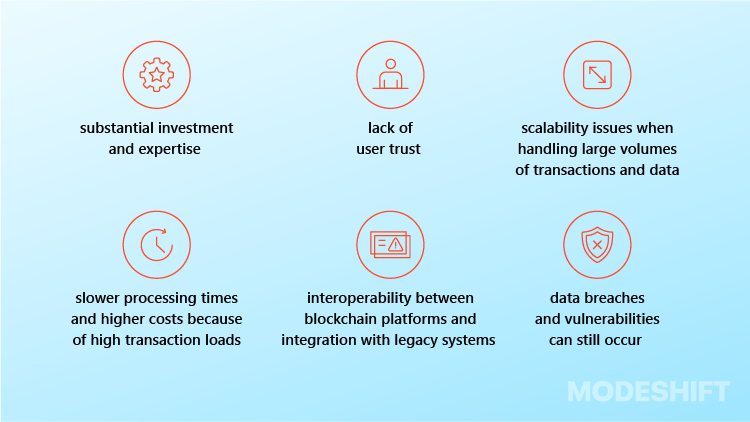
There are additional concerns regarding interoperability between blockchain platforms and integration with legacy systems. Different platforms may not communicate effectively, complicating efforts to incorporate blockchain technology. This lack of interoperability can hinder blockchain’s potential to improve operations across multiple networks and organizations. The regulatory environment around blockchain technology is also still developing, creating uncertainty for transportation authorities considering its adoption. Moreover, while blockchain enhances security, it’s not completely foolproof; data breaches and vulnerabilities can still occur, necessitating strong security measures.
Global Examples Of Countries Utilizing Blockchain Technology
Several cities and countries around the globe are exploring or have implemented blockchain technology in their public transportation systems. This involves utilizing blockchain for ticketing, payment processing, and data management to improve efficiency and transparency. In Seoul, South Korea, the Metropolitan Government has successfully integrated blockchain into its public transportation system as part of ongoing smart city initiatives. Estonia is another example of a country that has implemented a blockchain-based smart ticketing system for its public transportation network. In Madrid, Spain, blockchain is being used to unify public transport payments across different neighborhoods of the city.

Brazil’s two largest cities, São Paulo and Rio de Janeiro, are deploying Bitcoin for the payment of transit fares, which is facilitated through the use of blockchain. The Regional Transportation District (RTD) in the Capital of Colorado, Denver, has implemented a pilot program using blockchain for its “Go Denver” app, which allows users to plan, book, and pay for trips across different modes of transportation (buses, light rail, ride-sharing) in one platform. Other cities and regions such as Gothenburg, Chicago, and Singapore are also exploring the many applications of blockchain technology in various aspects of urban management, including transportation.
Final Thoughts
Blockchain technology offers a powerful toolkit for revolutionizing the transport sector by enhancing transparency, security, and efficiency. Its ability to streamline logistics, improve data integrity, and facilitate new transportation models could transform the way we move goods and people around the world. Despite the technology’s potential, it’s important to consider potential challenges like data volume, processing speed, and the need for robust infrastructure. Through careful planning and implementation, blockchain could be a valuable asset for transport authorities seeking to improve their operations and adapt to the evolving needs of the transportation industry.


