
Smart Cities enhance urban living by integrating digital technologies, such as the Internet of Things (IoT) and Artificial Intelligence (AI), with interconnected systems to make city services more efficient, sustainable, and responsive. Key applications include optimizing traffic flow, managing energy and waste more effectively, enhancing public safety through smart surveillance, and creating platforms for citizen engagement. This data-driven approach enables cities to become more livable and resilient by addressing urban challenges such as congestion, resource consumption, and environmental pollution.
In this article, we’ll examine how Smart Cities blend technology with urban planning to enhance the quality of life while driving innovation and progress. We’ll back this up with case studies from around the world, followed by some recent developments in the field.
Sustainable Infrastructure: A Pillar Of Smart Cities
Sustainable infrastructure is a pillar of Smart Cities because it provides the physical foundation for urban sustainability, using technology to create resilient, resource-efficient, and livable environments. This includes renewable energy, green buildings, efficient transportation, and smart water management. This collectively reduces environmental impact, lowers energy consumption, and improves the quality of life for residents. Smart grids manage the variable nature of renewable sources such as solar and wind by providing the necessary data and automation to integrate them into the city’s energy mix. Through real-time monitoring and control, smart grids dynamically balance supply and demand, reducing energy waste and enabling more efficient resource utilization.
Smart buildings are another essential building block of Smart Cities, integrating technologies to optimize resource use, improve occupant comfort, and enhance safety and security. They achieve this through interconnected systems that monitor and adjust lighting, temperature, and air quality, while managing energy and water consumption. This links to broader city infrastructure services, such as traffic, waste, and security management. Intelligent Transport Systems (ITS) are a crucial component that integrates connected roads and EV infrastructure in Smart Cities to create safer, more efficient, and sustainable urban mobility through real-time data, communication, and AI. Solutions for tracking and optimizing water usage revolve around the use of IoT sensors and smart meters for real-time data collection, cloud-based platforms for centralized management, and AI-powered analytics for leak detection, demand forecasting, and predictive maintenance.
Smart Cities Offer A New Model For Public Services And Governance
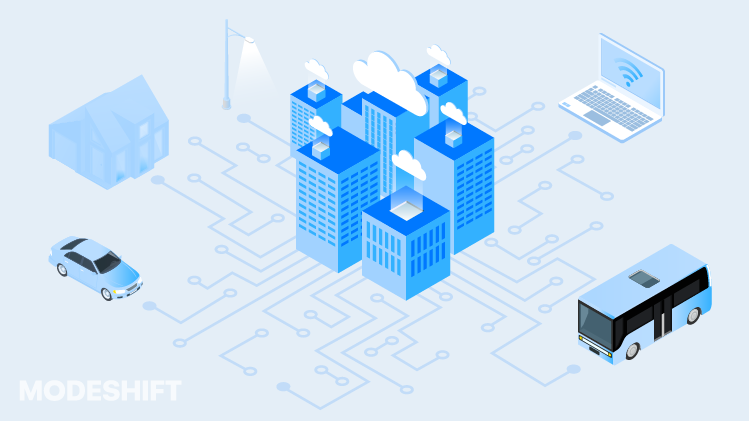
Smart Cities use technology to enhance public services and governance, making them more efficient, responsive, and citizen-focused. By leveraging tools such as the Internet of Things (IoT), Artificial Intelligence (AI), and big data, these cities optimize urban operations, including transportation and waste management, while gathering real-time data for informed decision-making and enhancing citizen engagement. This creates a new model of “smart governance” that aims to improve the quality of life, sustainability, and economic growth through more informed and interactive administration. Smart governance models integrate citizen participation through e-platforms and open innovation processes. This means citizens can have greater involvement in the formation of policies and decision-making, leading to more inclusive and informed outcomes.
By automating and streamlining public services such as waste management, transportation, and emergency response, cities can reduce operational costs and deliver faster services to citizens. Real-time data allows for better adaptation to changing circumstances and conditions by addressing problems more promptly. The continuous monitoring and management of resources such as energy and water further aid authorities in reducing waste and emissions. Singapore’s smart governance combines public and private sector collaboration, emphasizing the enhancement of quality of life, economic growth, and human development, rather than just streamlining services. The model relies on close partnerships where the private sector pilots solutions that are tested by the public sector and scaled up if successful. This enables faster development cycles and more robust solutions, developed in real-world environments.
How Smart Cities Prioritize Increased Safety And Security For Residents
Smart Cities prioritize safety and security by leveraging technology to enhance emergency response, prevent crime, and effectively manage infrastructure. This involves the use of IoT sensors, AI-powered analytics, and integrated communication systems to enable faster responses to emergencies. Smart systems connect emergency services, allowing for real-time data sharing and seamless coordination during a crisis. IoT devices, such as fire alarms and traffic sensors, can automatically detect emergencies like fires or accidents and notify authorities instantly. AI analyzes emergency calls to prioritize incidents and streamline dispatch systems, getting help to where it’s most needed. Smart traffic systems help emergency vehicles reach their destinations quickly by clearing paths and even changing traffic light signals to prioritize their movement.

When it comes to crime prevention, AI and machine learning analyze historical data to predict high-risk areas and times for criminal activity, allowing for more targeted patrols. Smart surveillance systems can be effective in providing real-time monitoring and alerts, helping authorities respond quickly to unforeseen events while monitoring critical public areas. Analyzing data from various sensors helps identify and map potential hazards and crime patterns, enabling the more effective deployment of resources. Singapore’s Smart City surveillance system utilizes a nationwide network of high-definition cameras integrated with AI for real-time monitoring to enhance public safety and security. This includes AI-powered systems with facial recognition and anomaly detection, allowing law enforcement to analyze data from various sources for crime prevention.
High-speed Digital Connectivity Keeps Smart Cities Moving
High-speed digital connectivity is the core technology that powers Smart Cities by enabling real-time data flow from connected sensors and devices. This facilitates intelligent traffic management, efficient public transportation, smart waste collection, optimized resource distribution, and enhanced public safety through advanced communication and analytics. Technologies such as 5G, AI, and the Internet of Things (IoT) are essential for integrating these systems, making cities more responsive, sustainable, and livable for their residents. High-speed connectivity and low-latency networks allow traffic lights, sensors, and vehicles to communicate, optimizing traffic flow, reducing congestion, and increasing safety for both autonomous and traditional vehicles. Real-time data from a broad network of IoT sensors and devices provides the foundation for informed decision-making, allowing city authorities to manage resources more efficiently while predicting and preventing issues such as power outages.
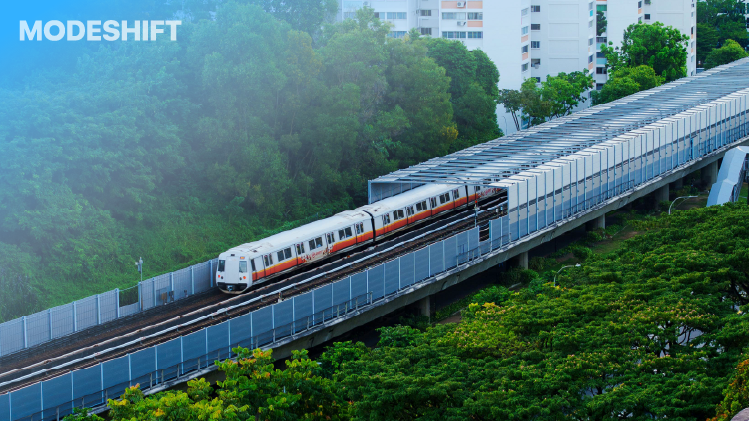
Several global cities leverage advanced networks to support applications such as citywide Wi-Fi, smart traffic management, enhanced surveillance, autonomous transport, and digitized government services. Singapore is a leader in Smart City development, having launched its “Smart Nation” initiative, focusing on contactless payments, autonomous vehicles, and smart homes for the elderly. London is another tech hub that has deployed 5G, upgraded public Wi-Fi, and launched initiatives for full-fiber connectivity. It also has a high number of EV charging stations and driverless transit systems. Amsterdam uses a central platform to manage numerous projects and has deployed an IoT Living Lab for testing smart solutions. Initiatives include a smart grid, smart waste and lighting systems, alongside a platform that enables citizens to access data. Zurich has sensors to adjust street lighting based on traffic, helping save energy. Cities such as Helsinki have focused on citizen-centric innovation and use a detailed digital twin model for urban planning.
Why Smart Mobility Is The Future Of Transportation
Smart mobility relies on technology and data to create efficient, sustainable, and integrated transportation systems that are more than just conventional public transport. Key components include real-time data for optimized traffic management, various on-demand and shared services such as ride-sharing and bike-sharing, as well as the integration of private vehicles with public transportation networks. The goal is to reduce congestion and emissions, improve safety, and enhance the overall travel experience for citizens. Smart mobility connects various transport modes, including public transit, private vehicles, walking, and cycling, through digital platforms. Smart payments are an integral part of this, unifying payments across various services and channels (online, in-app, and in-person) to create a single, streamlined customer experience.
Digital payment solutions provide riders a seamless, secure, and convenient way to pay for mobility services through the use of technologies such as NFC and QR codes. When integrated with mobility platforms, these solutions enable the use of a single payment method across multiple modes such as buses, trains, bike-sharing, and parking. Smart mobility also utilizes technologies such as sensors, AI, and data analytics to manage traffic flow, schedule traffic lights, and optimize routes in real-time. This includes car-sharing, ride-sharing, and public transport integrated into a single service (Mobility as a Service or MaaS), offering flexible and accessible options. At their core, smart mobility systems prioritize environmentally friendly options such as electric vehicles (EVs), bike lanes, and pedestrian-friendly areas to reduce pollution and improve air quality in cities.
The Importance Of Connected Vehicle Data For Smart Cities
Connected vehicle technology in Smart Cities utilizes Vehicle-to-Everything (V2X) communication, connecting cars, infrastructure, and pedestrians through high-speed networks and sensors to enhance safety, reduce congestion, and improve traffic flow. This integration provides real-time data for smart traffic management, enables predictive maintenance for public transportation, and offers benefits such as dynamic routing and driver alerts about hazards. Vehicles are equipped with cellular and wireless communication systems, sensors, and GPS to form a network of interconnected entities (vehicles, infrastructure, devices) that can interact in real-time. Data from sensors and connected vehicles is sent to central platforms for processing and analysis, generating actionable insights. These insights are translated into useful information for drivers and commuters via navigation systems, smart signage, and smartphone apps.
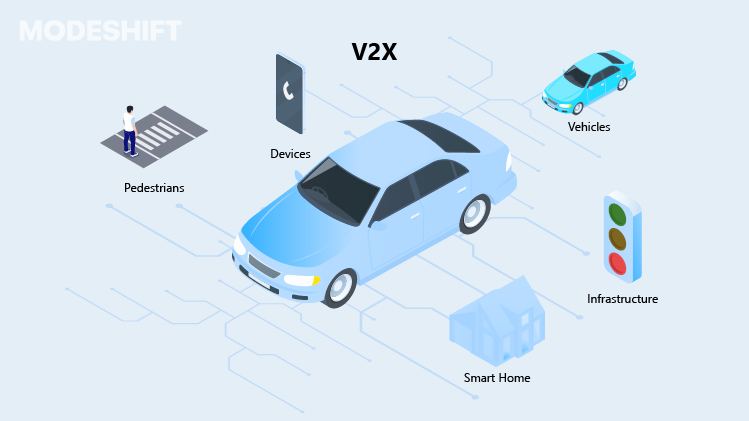
Real-time data from connected vehicles can be used to optimize traffic flow in Smart Cities by adjusting traffic light timings, enabling dynamic route guidance, and informing drivers about road closures or hazards. Vehicles can share alerts about dangerous situations, such as a car braking suddenly or a pedestrian near a crosswalk, allowing for quicker driver reactions and automated responses. Connected vehicles and infrastructure can identify available parking spaces, guide drivers to them, and manage parking demand more efficiently, improving traffic flow. Integrated systems can also provide real-time updates on public transport schedules and routes, helping commuters make informed decisions. Cities can analyze the aggregated data to understand urban mobility patterns, improving infrastructure design and establishing more effective and sustainable transport policies.
In Conclusion
While Smart Cities present numerous benefits, existing challenges, including cybersecurity risks, data privacy concerns, funding and political hurdles, as well as the need to update or replace outdated infrastructure, currently hinder their progress. Other issues involve the digital divide, energy consumption, and the lack of standardized security protocols. Increased connectivity through IoT devices creates more vulnerabilities for cyberattacks that can disrupt critical services such as power, water, and transportation. Smart Cities collect vast amounts of personal data, raising concerns about how this information is used, stored, and protected. Many Smart City technologies also lack unified security standards, making it difficult to implement consistent and robust security practices across different systems.
Cities can prioritize public-private partnerships, seek federal grants, or develop self-funding models where efficiency savings cover future investments. Implementing robust cybersecurity measures, strict access controls, and transparent data governance policies is also essential. Investing in digital literacy programs and ensuring affordable internet access for all residents can help bridge existing gaps. Regulators can encourage the use of innovative solutions on existing infrastructure rather than building entirely new systems. Focusing on human factors and citizen engagement can help ensure that technology solves real needs, leading to more resilient and livable urban spaces.


