
The transportation industry is under tremendous pressure to implement emission-free alternatives due to the effects of climate change and urban pollution. Transport is now the second-largest source of global greenhouse gas emissions, with mobility from land, air, and sea generating over eight billion metric tons of carbon dioxide into the atmosphere each year. With more than 1.56 billion automobiles in circulation, accounting for over 40% of the total road emissions, electrifying commercial and public fleets has become a cornerstone in many nations’ pursuit of a sustainable future. Electric public transit is often seen as a viable solution to helping decarbonize the sector by reducing emissions, and offering significant environmental and economic benefits while enhancing public transit systems. Electric vehicles (EVs) for public transit, including buses and light rail, such as trams, metros, streetcars, and monorails, are all vital assets on the road to net zero, sustainable transport. Conventional buses and cars, powered by diesel engines, contribute to much of the noise and air pollution we see in cities, dispersing numerous harmful particles into the air. Electric buses offer passengers a quieter, more peaceful travel experience while playing a key role in reducing noise pollution and enhancing the quality of life in cities. By reducing tailpipe emissions, Electric buses contribute directly to improved air quality in urban areas, helping foster cleaner urban environments where residents can enjoy more pleasant journeys, with less climate pollution and better health benefits.
Adoption of Electric buses in public transport is steadily growing all across the world, with many cities deploying brand new fleets of eBuses as a means of replacing older, diesel models. Estimates show that there are over 635,000 fully operational e-buses globally as of 2023 and that number seems to be increasing with each passing year. The European market is currently led by the Netherlands, Finland, and Iceland, with a total of 100% battery-electric city bus sales for 2024. Latin America is also making bold strides in the adoption of eBuses as it’s expected to have around 25,000 e-buses on the road by 2030, becoming the largest market outside of China. When it comes to the United States, a report from 2024 found that the number of zero emission buses (ZEBs) has increased by about 12% since 2022, totaling around 6,000 electric buses in the US and nearly 1,000 in Canada. In the same year, the Federal Transit Administration (FTA) announced nearly $1.5 billion in awards for the Low- or No-Emission Program and the Grants for Buses and Bus Facilities Program. These funds will provide much-needed aid for transit authorities to replace aging buses and infrastructure with new zero-emission buses. Despite the tremendous promise of eBuses, several barriers still hinder their widespread adoption. The transition from traditional diesel buses to electric alternatives presents a significant step towards reducing carbon emissions and fostering more sustainable urban ecosystems, but it’s certainly not without its hurdles. Overcoming these challenges will require highly coordinated efforts from policymakers, and government authorities, along with technological innovations, and investment. In this article, we’ll look at the challenges and opportunities associated with electric public transportation and how agencies can manage the many challenges and complexities that come with electrifying fleets.
The Benefits Of Electric Public Transportation
One of the most substantial benefits that comes from the electrification of the transport sector has to do with its ability to reduce greenhouse gas (GHG) emissions. Transportation is responsible for almost a quarter of the global CO2 emissions, with road transport being a major contributor. Data indicates that electric buses can achieve a reduction of up to 63% in greenhouse emissions when compared to diesel buses, with the possibility of reductions of up to 92% if they are powered entirely by renewable energy. This decrease is mainly due to the high efficiency of electric motors, which are capable of converting between 77% to 100% of the electrical energy from the grid into vehicle motion. Since Electric vehicles are powered by renewable energy sources, they offer a cleaner alternative to internal combustion engine (ICE) vehicles. By replacing conventional gasoline and diesel-powered vehicles with EVs, cities can achieve dramatic reductions in CO2 emissions over time. This reduction plays a pivotal role in enhancing the air quality in cities by decreasing harmful pollutants in the air. Electric vehicles are known to excel at reducing air pollutants that are harmful to human health. With zero tailpipe emissions, electric vehicles do not emit pollutants like particulate matter and nitrogen oxides, which are common in diesel bus exhaust. These pollutants contribute to respiratory and cardiovascular diseases among urban populations, especially in densely populated urban areas.

According to the World Health Organization (WHO), more than 4.2 million deaths occur every year as a result of exposure to ambient (outdoor) air pollution. Transitioning to electric buses could eliminate more than 2 million tons of greenhouse gas emissions annually, significantly improving air quality and public health in urban areas. Other statistics show that by transitioning to electric buses in public transit we can prevent over 3,700 premature deaths by 2030, emphasizing a direct link between sustainable transportation alternatives and positive health outcomes. Electric buses are also a superior option when it comes to energy efficiency compared to conventional diesel buses, particularly in how they use energy and greenhouse gas emissions. Electric buses come with advanced energy management systems that help optimize energy consumption. These systems monitor speed, acceleration, and battery charge levels to ensure the most efficient energy usage. Studies suggest that the Vehicle Energy Efficiency Ratio (EER) for electric buses is dramatically higher, ranging from 3.5 at highway speeds to 5 to 7 times at lower speeds, whereas diesel engines tend to lose efficiency due to idling and coasting. This efficiency is most noticeable in an urban setting where buses typically operate at lower speeds, often below 13 miles / 20 kilometers per hour, such as in city traffic.
The transition to electric vehicles in public transit is reinforced by the increasing use of renewable energy sources in electricity grids, which further enhances their capabilities and environmental benefits. In regions such as California and upstate New York, the integration of hydropower, solar, and wind energy has been shown to contribute to a substantial reduction in life cycle global warming emissions, ranging from electric buses. This shift not only supports sustainable urban transportation but also aligns with broader environmental goals by reducing the nation’s dependence on fossil fuels. Electric buses are also significantly quieter than their diesel counterparts, which means they are very effective in reducing noise pollution in urban areas. By removing the need for loud diesel engines, cities can reduce the noise levels that traditional buses produce. This is particularly important for regions that are densely populated where noise pollution is at a high level and can harm residents’ well-being. According to the EEA, chronic exposure to environmental noise can significantly affect the physical and mental health of populations, including the most vulnerable. This can lead to irritation, sleep disturbances, and cognitive impairment in children, along with other negative effects on cardiovascular and metabolic systems. Studies also show that electric buses are capable of achieving noise levels below the World Health Organization’s recommended thresholds, which potentially reduces the risk of disturbed sleep and other common health issues such as cardiovascular diseases.
By replacing diesel buses with electric ones, cities can significantly enhance the quality of life for their residents. From a financial perspective, electric buses could also provide considerable savings in terms of fuel and maintenance costs. As mentioned above, they are more fuel-efficient and have fewer mechanical components, reducing the need for frequent maintenance and additional costs. For example, a study comparing maintenance costs concluded that electric buses generated 44.1% lower maintenance costs per mile than standard diesel buses. Furthermore, the overall operational expenditures for electric buses are considered to be around 50% less compared to diesel buses, due to lower energy requirements, costs, and reduced maintenance needs. These operational benefits make electric buses a more economically viable option for public transport agencies, helping them save money and align with broader sustainability goals while enhancing operational efficiency.
Innovations In Electric Vehicle Design Are Creating New Possibilities
Electric vehicles in public transportation, particularly E-Buses, electric trains, and trams, are transforming urban mobility in various parts of the globe. These vehicles are powered solely by electricity and are usually sourced from renewable energy sources, making them a cleaner and more attractive alternative to traditional fossil fuel-powered public transport. eBuses and other forms of electric vehicles in public transport are now equipped with advanced technologies such as regenerative braking, efficient battery systems, and smart management software. The combination of these features not only enhances the efficiency of the vehicles but also contributes to the creation of more sustainable transportation systems. Battery-electric buses are now reported to be the most popular choice for new city buses in the EU. Battery-electric buses reached over 36% of all city bus sales in 2023 in the EU, overtaking diesel as the primary bus fuel type for the very first time. At this growth rate, it’s projected that around 100% of new EU city buses could become zero-emission (ZE) by 2027. Battery electric vehicles (BEVs), which are often referred to as “all-electric vehicles” run solely on electricity and can be recharged from an external power source. They are propelled using one or more electric motors which generate power from rechargeable battery packs. The majority of BEVs can now travel at least 100 miles on a single charge, with newer emerging vehicles offering enhanced ranges of 200-300 miles or more per charge.

Alternatively, fuel cell electric vehicles (FCEVs) use a highly efficient electrochemical process to convert hydrogen into electricity, which brings power to the electric motor. Most of the FCEVs on the market today are not designed to be recharged from their battery using an external source. Rather, they are fueled with compressed hydrogen gas that is stored in a tank inside the vehicle. Unlike conventional batteries, fuel cells generate electricity consistently as long as fuel and an oxidant are supplied. Fuel cells provide several advantages over conventional combustion engines, which include higher efficiency and lower emissions. They are also considered more reliable and come with fewer moving parts, decreasing maintenance costs for transport agencies over time. Modern Electric buses are further benefiting from the increasing use of lightweight materials like carbon fiber and aluminum. Incorporating such materials lessens the overall weight of the bus, allowing for greater energy efficiency and longer travel ranges. Furthermore, lightweight construction can enhance acceleration and handling, making electric buses an even more attractive alternative to traditional diesel-powered models.
Other innovative features in electric buses that contribute to passenger comfort include climate control systems that effectively manage interior temperatures and advanced suspension systems that help facilitate a smoother ride. Noise reduction technologies also aid in making electric buses quieter than their diesel counterparts, delivering a more pleasant experience for passengers. Smart fleet management systems are also revolutionizing how electric buses are being operated and maintained. These systems rely on real-time data analytics for the purpose of monitoring bus performance, predicting the maintenance needs of fleets, and optimizing route planning. By deploying the IoT (Internet of Things) technology, transit authorities can secure higher reliability and efficiency standards for their electric bus fleets. Among the best innovations in electric bus technology is the development of extended-range models. Manufacturers are now shifting their focus to creating buses that can travel longer distances without recharging, addressing one of the main barriers to higher adoption levels. Many new models come with ranges exceeding 200 miles on a single charge, making them suitable for a broader range of routes.
Additionally, public transport authorities are integrating their fleets with renewable energy sources. By installing solar panels on bus depots and garages, agencies can generate electricity to charge buses, limiting their reliance on the local grid and decreasing operational costs. This approach not only reinforces greener, more sustainable practices but also promotes the use of renewable energy. In Europe, cities such as Amsterdam, Berlin, and Stockholm are taking the lead in adopting electric public transport. These cities have managed to successfully integrate E-Buses, electric trams, and trains into their public transport networks, showcasing their unwavering commitment to sustainable urban mobility. As of late 2021, it’s estimated that over 8,500 electric buses are operating in Europe, including battery electric buses, plug-in hybrids, trolleybuses with in-motion charging (IMC), and fuel cell buses. This growth is part of accelerated global efforts to tackle the effects of climate change along with rising emissions, with China leading the way in the adoption of electric buses. An exemplary city in Europe that had great success in adopting electric public transportation is Amsterdam, which boasts one of the largest fleets of electric buses operating around Schiphol Airport. This includes more than 100 articulated e-buses supplied by VDL Bus & Coach. The bus fleets cover up to 30,000 km per day and can be charged in less than 20 minutes at various charging points along routes, making it possible to offer riders a 24-hour service. Furthermore, it was reported that by early 2020, over 10% of the Dutch bus fleets were already electrified. This rapid increase is part of a national agreement that states that from 2025 onwards, all newly purchased buses for public transport in the Netherlands must be emission-free.
How Advancements In Battery Technology Are Driving Adoption Levels
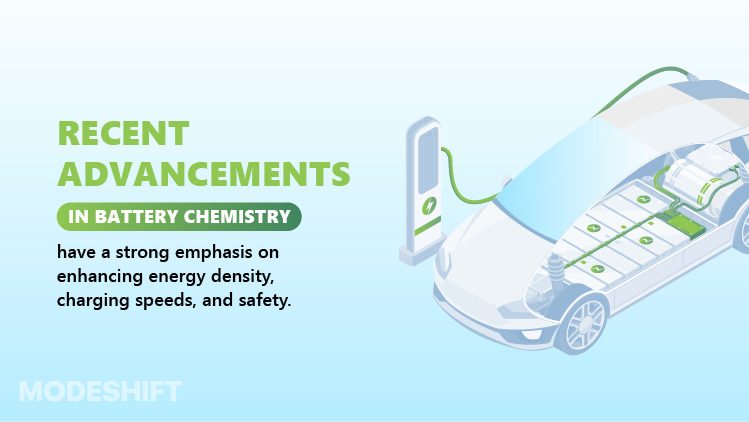
The EV market is currently dominated by Li-ion batteries mainly due to their high energy density, rapid charging capabilities, and comparatively long lifespan. Nevertheless, challenges such as range anxiety and charging infrastructure limitations continue to be a common concern among users and public transport authorities who are considering electrifying their fleets. Manufacturers are actively addressing these challenges by conducting continuous research and development in battery chemistry, energy storage materials, and charging technologies. According to the International Energy Agency (IEA), lithium-ion (Li-ion) battery demand has increased by over 65% to 550 GWh in 2022, with the United States reporting an increase in demand by more than 80%, despite electric car sales only increasing by 55% in 2022. China also appeared as a leader, with battery demand for vehicles growing more than 70%, while electric car sales increased by 80% in 2022. Recent advancements in battery chemistry have a strong emphasis on enhancing energy density, charging speeds, and safety. Solid-state batteries, for instance, deliver higher energy densities than conventional Li-ion batteries while enhancing safety and limiting the risk of thermal runaway. Other developments include lithium-sulfur (Li-S) batteries and lithium-air batteries, each presenting its unique advantages and challenges. Increasing the energy density of EV batteries remains paramount for extending driving ranges and enhancing overall vehicle performance.
For agencies with large fleets, it will be imperative that they are reassured that their newly electric vehicles can perform to the desired standard, particularly in urban areas with high demand and dense populations. Advancements in electrode materials, such as silicon anodes and graphene-based composites, contribute directly to elevated energy densities without compromising battery stability. These enhancements translate into EVs that can travel longer distances on a single charge, addressing one of the key barriers to widespread adoption in public transit. Fast-charging technologies are also responsible for making EVs more practical for everyday use. High-power chargers and ultra-fast chargers are also becoming more widespread, highlighting a reduction in charging times and improving driver convenience. The integration of advanced Battery Management Systems (BMS) is also becoming an integral part of optimizing battery performance, efficiency, and safety. Contemporary BMS solutions rely on sophisticated algorithms for state-of-charge monitoring, thermal management, and predictive maintenance. These systems contribute to the prolonged lifespan of batteries, ensure reliable operations, and better overall performance of vehicles.
Innovations in battery technologies, such as lithium-ion, solid-state batteries, and advanced battery management systems will become critical in the future when it comes to enhancing the performance and efficiency of transit fleets. These improvements will make it possible for electric buses to travel longer distances on a single charge, reducing the need for frequent recharging, and making them more practical for long routes. However, they should be combined with a robust battery management system to guarantee safety and longevity. Such systems are capable of closely monitoring cell temperatures, state of charge, and overall health for the purpose of optimizing performance and preventing thermal runaway—a potential safety hazard. The introduction of solid-state batteries is set to revolutionize the market with enhanced energy density and improved safety features. By replacing the liquid electrolyte with solid matter, these batteries decrease the risk of leaks and thermal events, thereby reinforcing the overall safety profile of electric buses. Fast-charging capabilities are an additional area where technological advancements are happening right now. Emerging battery chemistries and designs facilitate faster energy transfer, reducing downtime for public buses and enabling more flexible route planning. Thermal management systems which are also integral to battery performance, have also seen many recent developments. They are now capable of maintaining optimal operating temperatures, leading to the preservation of battery life and performance even under demanding stop-and-go conditions in an urban setting.
There is also a common myth that electric vehicle batteries are unreliable and would have to be replaced every few years. The fact is that Electric vehicle battery replacements due to failure are relatively uncommon. In contrast to starter batteries used in gasoline vehicles, electric batteries are designed to last the lifetime of the vehicle and recent data depicts their low failure rates. A recent study of about 15,000 vehicles from the very earliest models through 2023 concluded that battery replacements in electric vehicles due to failure are incredibly rare, at an average rate of 2.5%, outside of major recalls. Vehicle and battery technologies have improved tremendously since 2010, when newly emerging EVs first entered the market, and since then they have had less than a 0.5% failure rate. It’s also worth mentioning that the majority of these batteries are usually covered as part of the manufacturer’s warranty, further protecting users in the event of premature failure. Batteries could partially lose some of their initial range over time, but this study found that over 97.5% of EVs are still operating using their original batteries (outside major recalls), with the replacement rate falling to under 1% for EVs made from 2016 onward.
Considerations Regarding EV Charging Station Availability & Placement
Efficient and reliable charging infrastructure is among the most crucial aspects of integrating electric buses into urban fleets. Considering this, the design and installation of charging stations need to be strategically planned by transport authorities so that they can ensure day-to-day operations run as smoothly as possible. This means assessing the power requirements of newly introduced fleets to determine the overall power capacity needed to facilitate the charging of multiple vehicles at once. For agencies planning to charge the entire fleet in the depot overnight, they’ll need to ensure they have enough connectors and charging stations to be able to handle that demand. Choosing the right charging technology is another major aspect to take into consideration which should be determined based on bus routes and operational needs. The options available revolve primarily around slow-charging which takes place overnight or en route fast-charging. Authorities should consider the layout of the bus depot, placing charging stations where it makes sense for the most efficient workflow. Designing charging station infrastructure for public transport also means examining how the potential growth of electric bus fleets can be accommodated in the future, without having to make major overhauls.

Additionally, agencies should be wise to think about charger accessibility including aspects of day-to-day use and maintenance as well as weather conditions for any outdoor stations. It’s crucial that new technology and infrastructure are user-friendly and that regular training for personnel takes place to ensure transit staff can conduct charges with as minimal friction as possible. Understanding the nuances of charging infrastructure and how it can be integrated into existing networks could go a long way in ensuring interoperability for different types of bus models. Grid integration, meanwhile, is another complex challenge that requires careful planning to avoid overloading local power grids, particularly during peak charging times. Fast-charging solutions are becoming increasingly popular, providing buses with rapid energy replenishment that is capable of complementing tight operating schedules. These types of systems, however, require robust depot infrastructure capable of supporting high-power outputs. Other Innovative approaches such as wireless charging are also making headway, with inductive technology that facilitates charging in buses without physical connectors, reducing wear and improving convenience. This method can be implemented at bus stops, enabling top-up charges during regular service routes.
Vehicle-to-grid capabilities, on the other hand, present an intriguing possibility to the electric bus ecosystem. In this case, buses not only draw power from the grid but are also capable of returning unused energy during off-peak hours, aiding in better energy management, and offering a buffer for the energy system. The incorporation of solar energy into charging facilities is another testament to sustainable practices in transport, as it reduces reliance on non-renewable energy sources. Solar power could charge buses directly or feed into the grid, offsetting the energy used for charging. While charging infrastructure remains a critical aspect of electric bus implementation, the core of their performance is largely dependent on the types of electric motors used. These types of motors convert electrical energy into mechanical energy, propelling the bus forward. Recent developments in motor technologies have made it possible to enhance the efficiency and reliability of electric buses, aiding in making them a more desired option among transport companies. There are numerous motor types used in electric buses such as induction motors, permanent magnet synchronous motors (PMSM), and switched reluctance motors. Each one comes with its unique characteristics, with a common goal to achieve optimal efficiency improvements.
For example, PMSM motors are praised due to their high efficiency and power density, which are very beneficial in the stop-and-go nature of urban bus routes. Other advancements in electric motors emphasize elevating torque capabilities. This relates to the bus’s ability to accelerate and climb gradients, something which is of particular importance for heavy-duty transportation. Modern motors are also capable of delivering high torque at low speeds, reducing the total energy consumption and increasing the range of the bus. When it comes to regenerative braking and its benefits, these systems capture the kinetic energy that is usually lost during braking, converting it back into electrical energy that can be used to recharge the bus’s batteries. Not only does this enhance the efficiency of public transit vehicles but it also extends the life of the braking system, reducing maintenance and replacement costs for agencies.
Integration Of Renewable Energy Sources & EVs Impact On Local Energy Grids
There is a common misconception that the increased use of electric vehicles will cause a collapse in the U.S. power grid. The truth is that Electric vehicles now have charging strategies that can prevent overloading the grid, and, in some cases, support grid reliability. While a growing number of electric vehicles on the road will lead to more demand for electricity, it’s important to remember that the impact this will have on the grid depends on several factors, such as the power level and time of day when vehicles are charged. Another factor could be the potential for vehicle-to-grid (V2G). For one, EVs can be charged at off-peak times, such as overnight, when rates are usually much cheaper than during the day. Even with a mix of charging times (not limited to just nighttime charging), data indicates that EVs have sufficient capacity to cover current market demand for the upcoming years.
Furthermore, once renewable energies make up for a bigger part of the nation’s usage, switching to more daytime charging could allow the grid to handle increases in EV charging, particularly when it comes to renewables with storage capacity such as solar energy. In the U.S., California takes the lead with more than 1 million electric vehicles in circulation and EV charging infrastructure which currently makes up less than 1% of the state’s grid total load, even during peak hours. EV charging has been shown to consume less electricity than an average household would use for water heating and air conditioning, according to a survey released by the U.S. Energy Information Agency. Vehicle-to-grid (V2G) charging makes it possible for EVs to act as a power source that contributes to grid reliability by pushing energy back to the grid from an EV battery. This is done by authorizing EVs to charge whenever electricity demand is low and limiting them when that demand is high. When it comes to long-term effects on the grid, higher energy demand from an increase in EVs may drive the need for upgrades to transmission and distribution infrastructure. Planning for this possibility is already underway so it’s likely most states will anticipate these events. The Department of Energy’s (DOE) Build a Better Grid Initiative, which was introduced as part of the Bipartisan Infrastructure Law, aims to provide over $13 billion towards improving the efficiency and reliability of the grid over the next decade.

It’s also worth mentioning that public transit agencies will experience different challenges when it comes to the integration of EVs, depending on a variety of factors and variables. The easier part is often purchasing the vehicles, however, how transport authorities handle logistics and planning around infrastructure and charging will become critical to ensuring their fleets are getting sufficient power. Fleet operators who are looking to transition to EV buses, will have to devise feasible strategies in how to manage the demand for electricity at their facilities as well as a charging plan for vehicles en route, which altogether could lead to a substantial increase in energy demand. The first step is initiating a planning process with their local power utilities to ensure their needs can be met. For agencies with large fleets, it’s possible they could ultimately require enough power so that utilities may need to upgrade their distribution systems to meet this increase in demand. Transit agencies would be wise to explore options such as an onsite battery energy storage system, which could aid in providing the flexibility needed to charge more vehicles at off-peak times, saving both time and money as well as putting less pressure on the local power grid.
Public transit agencies will also be faced with a range of new variables when it comes to determining how and when they would need to invest in charging infrastructure up front, based on their anticipated future demand, or whether it will be possible to stretch that investment out over time. Some questions that are likely to come up are how will changing infrastructure fit into existing operational processes and practices such as maintenance, scheduling, depreciation, and replacement, along with vehicle condition monitoring and repair? Is the necessary power infrastructure available to support any additional demand on the power grid? Would there be a need to supplement with battery storage to offset peak energy demands and decrease costs? These are indeed complex questions that will need to be approached holistically. Operators of bus fleets also need to be diligent in exploring their needs in terms of IT, which is likely to play an even bigger role in the management of their vehicles than it does today. There are multiple factors to consider, such as vehicle state-of-charge, tracking and analysis of vehicle telematics, arrangement of charging infrastructure, on-site energy optimization, and vehicle maintenance scheduling and monitoring. All of these will depend on highly sophisticated software tools as well as advanced, cutting-edge technologies that are paving the way to better management of electric fleets. Utilizing advanced technologies such as Artificial Intelligence (AI) and Machine Learning (ML) will come a long way in assisting transport authorities with predictive maintenance, helping them achieve better cost-savings, higher quality of service, and enhanced operational efficiency.
Overcoming Challenges Associated With Electric Public Transportation
Currently, many U.S. cities and municipalities are engaging in expanding their electric bus fleets as a way to reduce emissions, lower operational costs, and improve air quality. Cities such as Los Angeles, New York City, Chicago, and Seattle have made tremendous efforts to commit to transitioning their bus fleets to 100% electric models in the coming years. Programs such as the Federal Transit Administration’s (FTA) Low or No Emission Vehicle Program have offered funding to transit agencies nationwide, accelerating the shift to zero-emission public transport vehicles. Despite this momentum, there are still challenges on the road ahead, particularly when it comes to integrating electric bus fleets. Investments in charging infrastructure, battery technology, and public-private partnerships are also a necessary stepping stone to making electric buses a viable solution for cities of all sizes.
As new policies and incentives continue to develop and emerge, the role of electric vehicles in shaping the future of public transport in the U.S. is becoming both increasingly significant as well as necessary. Among the main challenges associated with the increased nationwide adoption of zero-emission buses has to do with the high initial costs. While the total cost of ownership for electric buses is considered to be lower than that of diesel buses, the high upfront investment in vehicles and charging infrastructure could be a significant financial burden for some municipalities. Having said that, operators should consider the long-term benefits of electrification, including reduced maintenance needs, lower fuel costs, and extended vehicle lifespans. Various developments in the market, such as an increase in demand and technological advancements, are expected to reduce the prices of these vehicles over time. New financing options such as Charging as a Service (CaaS) could also aid operators who lack the initial capital investment to start their electrification journey. Expanding electric bus fleets will also require the introduction of charging stations, grid upgrades, and depot modifications. Many transit agencies must first invest in securing these upgrades before attempting to expand their fleets. Range anxiety is another major concern among public transport agencies, referring to the issue of whether or not electric transit vehicles will have enough battery capacity to reach their destinations. This is particularly prevalent in rural areas where there are fewer passengers and longer routes. Advancements in battery technology continue to extend the driving range of electric buses, offering better prospects. When agencies pair this with strategic planning and the implementation of fast-charging infrastructure they can further mitigate this issue.

Although rail is a relatively clean mode of travel accounting for just 2% of total U.S. greenhouse gas emissions, there is still substantial investment needed to help achieve net zero goals. The United States has made bold strides in launching its first zero-emission passenger train, which could prove to be a significant milestone in global efforts to decarbonize public transport. The Zero Emission Multiple Unit (ZEMU) made its debut in San Bernardino, California by carrying 108 passengers and is scheduled to go into full service in early 2025. The ZEMU offers a real-world view of the potential of hydrogen technology and how it can be applied to everyday public transport. California is now requiring that all passenger trains operating in the state have net-zero emissions by 2030 and that all new freight trains be placed in service by 2035. California’s leadership is inspiring other states to also look at hydrogen as a cleaner alternative to diesel-powered locomotives. At a more national level, the U.S. The Department of Energy has recently announced its plans to achieve a net-zero rail sector no later than 2050. After careful analysis of different zero-emissions rail technologies, the California Department of Transportation (Caltrans) concluded that hydrogen-powered engines are capable of traveling longer ranges before needing refueling and come with shorter refueling times than battery-powered electric engines. Hydrogen trains are also less noisy when operating, allowing for easy application in population-dense areas. It’s widely thought that the deployment of hydrogen-powered rail systems will allow California to meet its climate goals. Hydrogen fuel cells are a powerful zero-emission option that is superior to diesel-powered passenger trains, trams, locomotives, and rolling stock. Nearly any train route served by diesel trains can be replaced by a fuel cell-powered train.
Germany also made headlines in 2018 by launching the world’s first hydrogen-powered train, setting an example for many others. The United Kingdom is currently testing hydrogen trains as part of its ambitious goal to remove all diesel trains by 2040. France has placed an order for hydrogen trains for several regional lines that are set to start operating in 2025. These global initiatives underline the growing recognition of hydrogen’s potential to revolutionize rail transport. An American city taking the lead in the decarbonization of light rail is Seattle. The city introduced its Link light rail system back in 2009, and today it’s currently powered by 100% carbon-free electricity. Puget Sound Transit, which is the system’s operator, sources around 70% of its electricity directly from the Skookumchuck Wind Facility, while the rest of the remaining power is supplied by Seattle City Light, a carbon-neutral electricity provider. In 2024, the Seattle-Area Light Rail broke several records, achieving more than 3 million rides, thanks to a new extension and reorganized connecting bus lines.
Final Thoughts
The benefits of electric mobility are numerous and far outweigh initial barriers regarding investment by going beyond the simple reduction of CO₂ emissions. Electric vehicles are a more cost-effective option for agencies when it comes to maintenance than conventional diesel ones. Electricity is considered a cheaper alternative to fossil fuels, and maintenance costs are essentially reduced due to less wear and tear on components, such as the engine and brakes. Secondly, the effects that come from eliminating emissions and reducing noise pollution in cities should not be undermined as this will have a tremendous impact on public health. Cleaner air and less noise will help improve the quality of life of populations, particularly in dense urban environments, making cities more livable for everyone. This will be critical as we step into the era of Smart Cities and toward a future where urban planning will take priority as the demand for resources and capacity increases dramatically. Statistics show that right now over 55% of the world’s population lives in urban areas, a percentage that is expected to grow to around 68% by 2050. Projections suggest that urbanization, which refers to the gradual shift in residence of populations from rural to urban areas, combined with the steady growth of the world’s population could add another 2.5 billion people to urban areas by 2050.
The transition to electric mobility modes is not just a technological shift; it’s a paradigm change toward sustainable, healthy, and livable cities. Even citizens who do not directly use electric vehicles daily stand to benefit from a healthier environment, with less smog and lower risks of respiratory diseases. Finally, the widespread adoption of electric vehicles in public transport could foster technological innovation, creating development opportunities for new business models related to energy, smart mobility, and the digitization of services. Data suggests that if the reduction of emissions from the past several years is sustained through 2030, CO2 emissions can very well be on track to align with the Net Zero Emissions (NZE) Scenario. Electric vehicles offer exciting opportunities to advance sustainable transportation in the U.S., helping solve decades-old issues when the solutions and technology simply weren’t there. With their distinctive environmental, economic, and social benefits, electric vehicles offer possibilities outside just the future of public transportation; they represent a much-needed necessity for cleaner, quieter, and healthier urban environments.


